


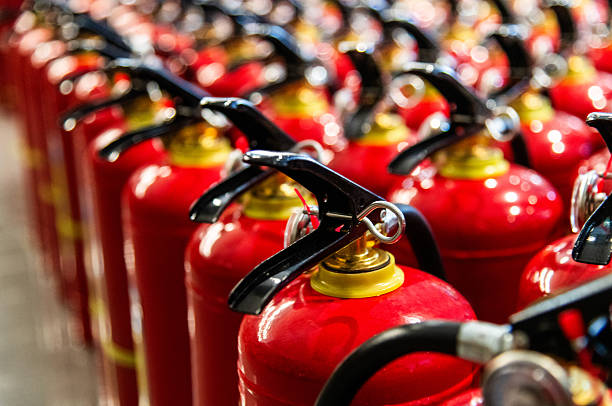
Fire extinguisher inspections are an essential part of workplace fire safety. For businesses, strata buildings, retail sites, warehouses, hospitality venues & commercial properties, regular inspections help confirm that extinguishers are accessible, correctly positioned, suitable for the risks on site & ready for use in an emergency.
A service technician does more than glance at the extinguisher. The inspection involves checking the condition, location, pressure, labelling, testing history & compliance status of each unit. For businesses managing Fire Extinguishers Perth, understanding what is checked during an inspection helps support safer premises & better maintenance planning.
Why Fire Extinguisher Inspections Matter
A fire extinguisher may look ready from a distance, but issues such as low pressure, corrosion, blocked access, missing signage or expired service tags can affect its reliability. In a real emergency, a faulty or inaccessible extinguisher can create avoidable risk.
Regular inspections help identify problems early. They also assist property owners, facility managers & business operators in meeting fire safety obligations for their building type, occupancy & operational risks.
Checking the Extinguisher Location
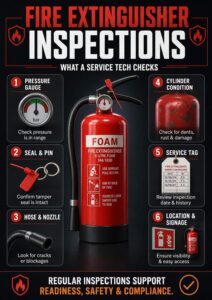
One of the first things a technician checks is whether the extinguisher is installed in the correct location. It should be easy to find, close to relevant fire risks & not hidden behind furniture, stock, equipment or doors.
The technician may assess whether the extinguisher is suitable for the area it protects. For example, a kitchen, electrical switch room, workshop or office may require different extinguisher types depending on the likely fire hazards.
Checking Access & Visibility
An extinguisher must be accessible without delay. A technician checks that the pathway to the unit is clear & that the extinguisher can be removed from its bracket or stand quickly.
They will also check whether signage is visible. Fire extinguisher signs help people locate equipment fast, especially in larger buildings, warehouses, car parks & shared commercial spaces.
Inspecting the Service Tag
The service tag provides a record of inspection & maintenance activity. A technician checks the tag to confirm the previous service date, inspection interval & any recorded maintenance actions.
If the tag is missing, damaged or not up to date, this may need to be corrected. Clear records are important for compliance, audits, insurance reviews & internal workplace safety documentation.
Checking the Pressure Gauge
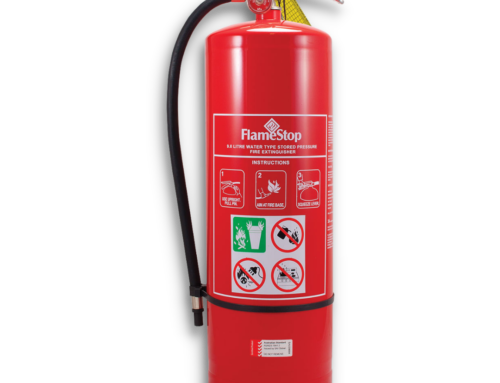
For stored-pressure extinguishers, the pressure gauge is a key inspection point. The needle should usually sit within the correct operating range.
If the pressure is too low or too high, the extinguisher may not discharge correctly. A technician will identify whether the unit needs servicing, recharging or replacement depending on the issue.
Inspecting the Hose, Nozzle & Handle
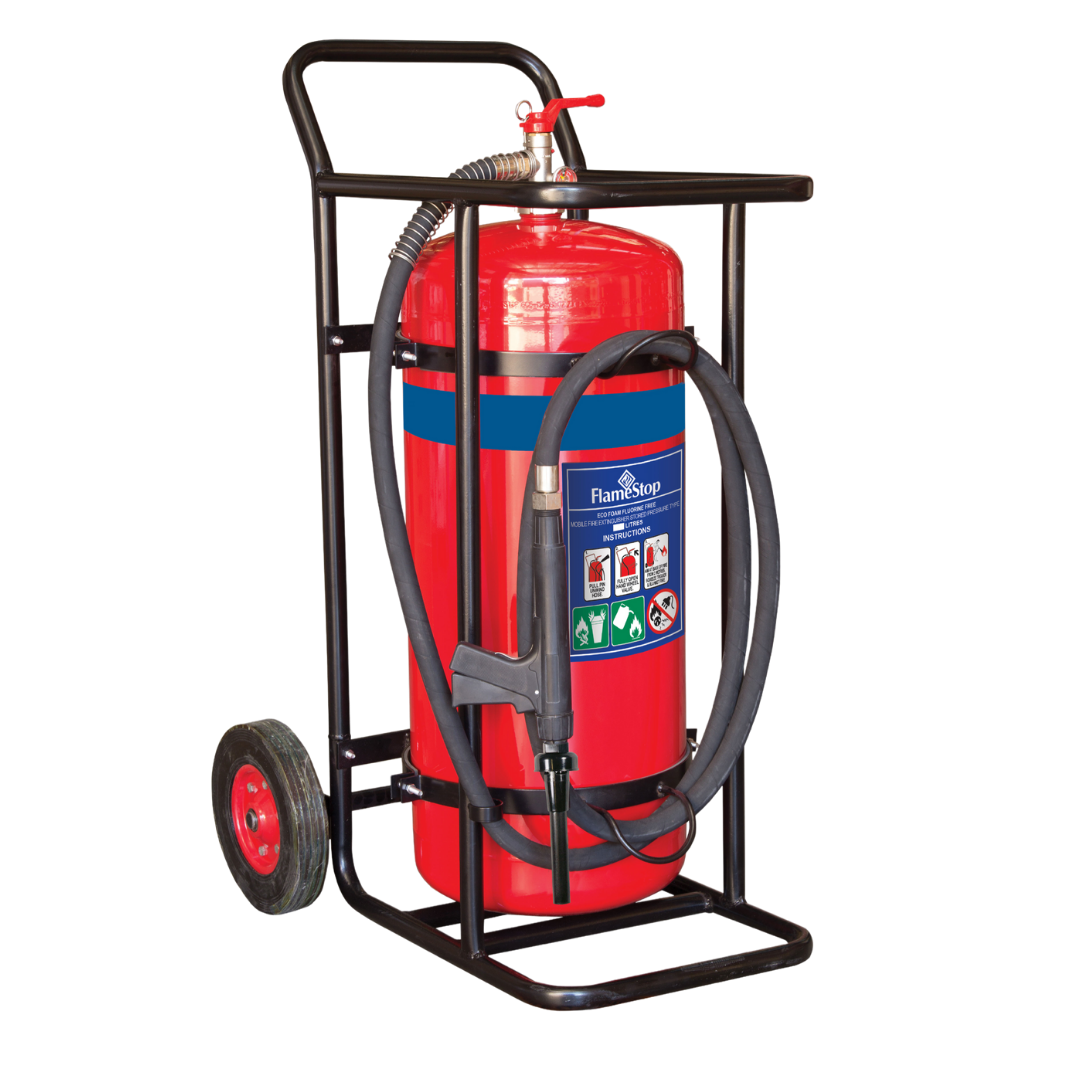
The hose, nozzle, handle & trigger mechanism must be in usable condition. A technician checks for cracks, blockages, missing parts, stiffness, damage or signs of tampering.
Even minor physical damage can affect operation. If the extinguisher cannot be activated properly, it may fail when needed.
Checking the Safety Pin & Tamper Seal
The safety pin should be in place, and the tamper seal should be intact. A broken seal can indicate that the extinguisher has been used, partially discharged or interfered with.
A technician will assess whether the extinguisher still meets service requirements or needs further maintenance before being returned to use.
Assessing the Cylinder Condition
The cylinder itself is inspected for corrosion, dents, leakage, impact damage & general wear. This is especially important in harsh environments such as workshops, industrial sites, marine settings, outdoor areas or damp plant rooms.
Corrosion or structural damage may affect cylinder safety. If the cylinder is compromised, replacement may be required.
Confirming the Extinguisher Type
Different extinguishers are designed for different classes of fire. A technician checks that the extinguisher type matches the risk area.
Common types include:
- Water extinguishers for some Class A fires involving ordinary combustibles
- Foam extinguishers for some Class A & B fire risks
- Dry chemical powder extinguishers for a broader range of fire risks
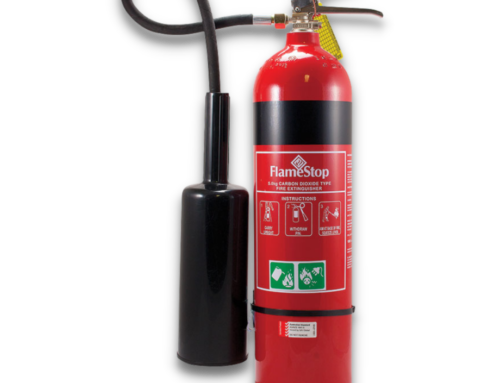
- Carbon dioxide extinguishers for electrical equipment areas
- Wet chemical extinguishers for cooking oil & fat fire risks
Using the wrong extinguisher can be ineffective or unsafe. Suitability is a key part of the inspection.
Checking Mounting Height & Brackets
Extinguishers must be mounted securely. A technician checks that brackets, cabinets or stands are stable, correctly fixed & suitable for the extinguisher size.
Poor mounting can cause extinguishers to fall, become damaged or be difficult to access. Correct positioning supports both safety & usability.
Reviewing Labelling & Instructions
The operating instructions on the extinguisher should be readable. A technician checks whether labels are damaged, faded, missing or obscured.
Clear instructions are important because not every person using an extinguisher will be trained or confident. The label should help a user identify the extinguisher type & understand basic operation quickly.
Fire Extinguisher Perth
Checking for Environmental Risks
The inspection may also consider the surrounding environment. Extinguishers exposed to heat, chemicals, weather, vibration, dust or impact may require closer attention.
For commercial sites, workshops, warehouses & hospitality businesses, environmental factors can affect service life & reliability. This is why extinguisher placement should be reviewed as site layouts change.
Identifying Replacement Needs
Not every extinguisher can or should be repaired. If a unit is damaged, outdated, discharged, unsuitable for the location or beyond economical servicing, replacement may be recommended.
A technician may also identify whether additional extinguishers are needed due to changes in building use, equipment, layout or fire risk.
Supporting Compliance & Safety Records
After inspection, the technician records the service details. This may include updating the service tag, reporting defects, noting replacements & providing documentation for the property manager or business owner.
These records help demonstrate that fire safety equipment is being maintained. They also support internal safety checks, insurance requirements & regulatory obligations.
When Businesses Should Arrange Inspections
Inspection frequency depends on the building, equipment type, applicable standards & site risk. Businesses should not wait until an extinguisher looks damaged before arranging a check.
Regular servicing ensures that issues are identified before an emergency occurs. For businesses managing Fire Extinguishers Perth, scheduled inspections are a practical way to maintain readiness, reduce risk & support workplace safety.
Conclusion
A fire extinguisher inspection covers location, access, pressure, signage, service records, cylinder condition, safety seals, hose condition, mounting & suitability for the fire risk. These checks help confirm that each extinguisher is visible, accessible, compliant & ready for use.
For workplaces, commercial properties & shared buildings, regular inspections are not just a maintenance task. They are a key part of responsible fire safety management.



Leave A Comment