


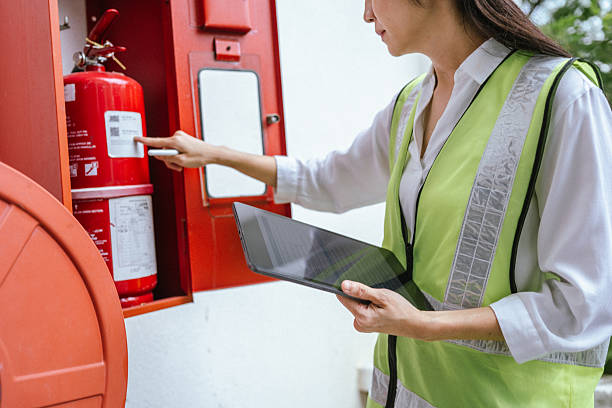
Fire wardens help workplaces respond to fire risks in a structured way. Their role is not only active during an emergency; it starts with preparation. A well-prepared fire warden understands where fire equipment is located, how people should leave the building, where they should assemble, and how concerns should be reported.
For Perth workplaces, fire warden responsibilities apply across offices, warehouses, retail stores, workshops, hospitality venues, strata buildings, schools, aged care facilities and commercial properties. Each site has different risks, but the basics remain consistent: equipment must be accessible, evacuation routes must be clear, and assembly points must be understood by staff, contractors and visitors.
A fire warden should not take unsafe action or replace emergency services. Their role is to support safe movement, reduce confusion and assist with communication during a fire event or evacuation.
Understanding the Fire Warden Role
A fire warden helps connect the workplace emergency plan with what happens on site. This may include directing people to exits, checking assigned areas where safe, identifying blocked access points, helping visitors follow instructions and reporting information to the chief warden or site manager.
The role should be clearly documented so everyone understands who is responsible for each area. In larger buildings, there may be multiple wardens across floors, departments or tenancy areas. In smaller workplaces, one or two trained staff may be responsible for coordinating the response.
Fire warden preparation should include:
- knowledge of evacuation routes
- awareness of extinguisher locations
- understanding of alarm procedures
- familiarity with assembly point locations
- awareness of people who may need assistance
- clear reporting lines during an emergency
- participation in evacuation drills
This preparation helps keep the response organised when time is limited.
Fire Extinguisher Readiness in the Workplace
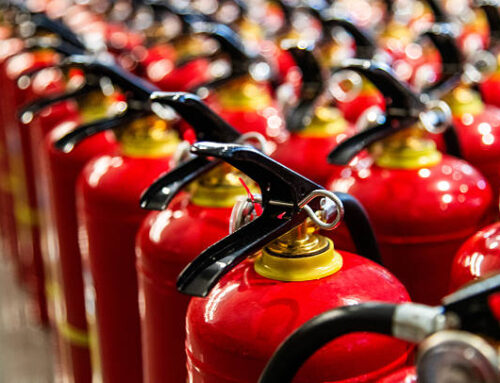
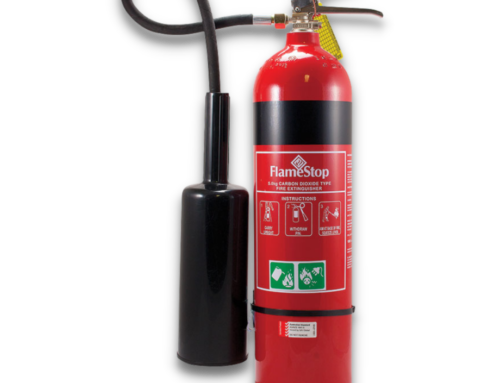
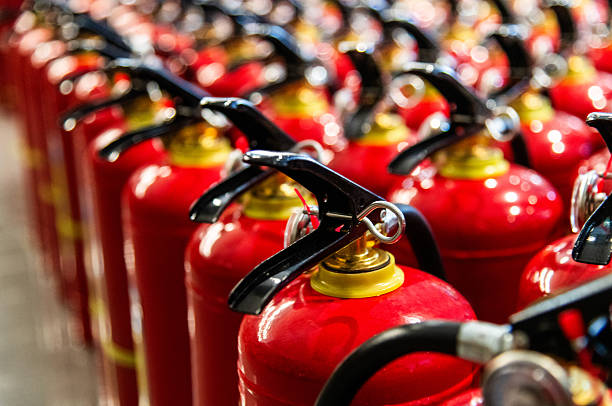
Fire extinguishers must be easy to find, easy to access and suitable for the risks in the area. A workplace may need different types of extinguishers depending on whether the risk involves electrical equipment, flammable liquids, cooking oils, paper, packaging, machinery or vehicles.
Businesses arranging Fire Extinguisher Perth services should focus on more than simply having extinguishers installed. The equipment must be positioned correctly, supported by clear signage, maintained in good condition and kept free from obstruction.
Fire wardens should know:
- where extinguishers are positioned
- which areas contain fire blankets
- whether equipment is visible from normal access paths
- whether stock, furniture or equipment is blocking access
- how to identify damaged, missing or discharged units
- who to report equipment issues to
- when evacuation should take priority over equipment use
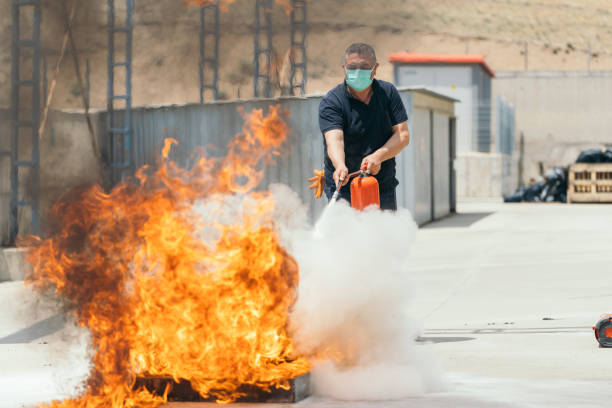
Extinguishers are only suitable for small, contained fires when the correct unit is available and the person using it has been trained. If there is smoke, rapid fire spread, uncertainty about the fuel source or risk to personal safety, evacuation should remain the priority.
Basic Visual Checks for Fire Equipment
Fire wardens can support workplace readiness by identifying obvious fire equipment issues between scheduled servicing. These are visual checks only and should not replace professional inspection or maintenance.
Practical checks may include confirming that extinguishers are mounted securely, pressure indicators appear within the correct range where applicable, signage is visible, instructions are readable, tamper seals appear intact and hoses or nozzles are not damaged.
They should also check that fire blankets remain accessible in kitchens or relevant work areas, cabinets are not blocked, and emergency exits are not used for storage.
For businesses purchasing Fire safety Products Perth, equipment selection should match the workplace layout, risk profile and movement of people through the site. Extinguishers, fire blankets, cabinets, brackets and safety signs should work together to support fast identification and safe access.
Evacuation Flow: Keeping People Moving Safely
Evacuation flow refers to how people move from their work area to a safe exit and then to the nominated assembly point. Poor evacuation flow can create delays, congestion and confusion, especially in multi-level buildings, customer-facing premises or sites with visitors and contractors.
Fire wardens help by giving clear instructions, guiding people towards safe exits and discouraging people from stopping to collect personal items. They may also help identify whether a route has become unsafe due to smoke, heat, blocked access or another hazard.
Effective evacuation flow depends on:
- clear exit signs
- accessible corridors and stairwells
- uncluttered doorways
- visible evacuation diagrams
- staff familiarity with alternative exits
- a process for assisting people who need support
- consistent instructions from wardens and managers
Lifts should not be used during fire evacuation unless the building’s emergency procedures specifically allow for it. Staff and visitors should move steadily to the nearest safe exit and continue away from the building to the assembly point.
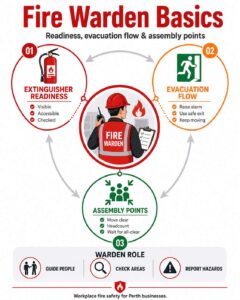
Fire Extinguisher Perth
Assembly Points and Site Accountability
An assembly point gives people a safe place to gather after leaving the building. It should be far enough from the workplace to avoid smoke, heat, falling materials and emergency vehicle movements.
A suitable assembly point should be easy to identify and practical for the number of people expected on site. It should also allow wardens or managers to confirm attendance and identify whether anyone may still be inside.
Assembly point planning should consider:
- distance from the building
- emergency vehicle access
- pedestrian and traffic hazards
- weather exposure
- accessibility for people with mobility needs
- a backup location if the main area is unsafe
- visibility for staff, contractors and visitors
Once people reach the assembly point, they should stay there until authorised to leave or re-enter. Moving away without reporting in can make it harder for wardens to confirm who is safe.
Communication During an Evacuation
Clear communication helps a fire warden manage uncertainty during an emergency. Wardens need to know who they report to, what information should be passed on and how to communicate if an area cannot be checked.
Depending on the workplace, communication may involve verbal instructions, mobile phones, radios, floor wardens, area wardens or a chief warden. The structure should be simple enough for staff to follow under pressure.
Important details may include:
- where the alarm was triggered
- whether smoke or flames were seen
- which areas have been checked
- which areas could not be accessed
- whether anyone needs assistance
- whether exits are blocked
- whether any person is unaccounted for
Accurate information helps the chief warden, site manager and emergency services understand the situation more quickly.
Training, Drills and Workplace Review
Fire warden duties should be supported by training and regular drills. A written emergency plan is useful, but it must be understood by the people who may need to act.
Drills help test whether people know where to go, whether evacuation routes remain practical, whether assembly points are suitable and whether wardens understand their assigned responsibilities.
Businesses should review fire warden arrangements when:
- the site layout changes
- staff numbers increase
- new equipment or hazards are introduced
- storage areas are moved
- new tenants occupy the building
- exit routes are changed
- a drill identifies confusion
- a fire-related incident occurs
A business using Fire Extinguisher Perth services should also ensure equipment locations, signage and emergency procedures remain aligned. If extinguishers are moved or new work areas are created, evacuation diagrams and staff instructions may also need to be updated.
Building Fire Readiness Into Daily Operations
Fire safety should not be treated as a once-a-year task. Workplaces change regularly through deliveries, stock movement, staff changes, fit-outs, seasonal operations and contractor access. These changes can affect how people evacuate and whether fire equipment remains easy to reach.
Fire wardens can help by staying alert to practical issues such as blocked exits, unclear signage, missing equipment, damaged fire blankets, locked gates or changes to access paths.
When sourcing Fire safety Products Perth, businesses should choose equipment that supports the way the site operates. Fire extinguishers, signs, blankets, cabinets and accessories should be positioned for practical use, not only compliance documentation.
Conclusion
Fire warden basics rely on preparation, clear movement and workplace accountability. Fire extinguishers should be visible and accessible, evacuation routes should remain clear, and assembly points should be known by staff, contractors and visitors.
For Perth businesses, an effective fire warden system supports safer decision-making during an emergency. With suitable equipment, trained wardens, clear evacuation flow and practical assembly point procedures, workplaces are better prepared to respond when a fire risk occurs.


Leave A Comment