


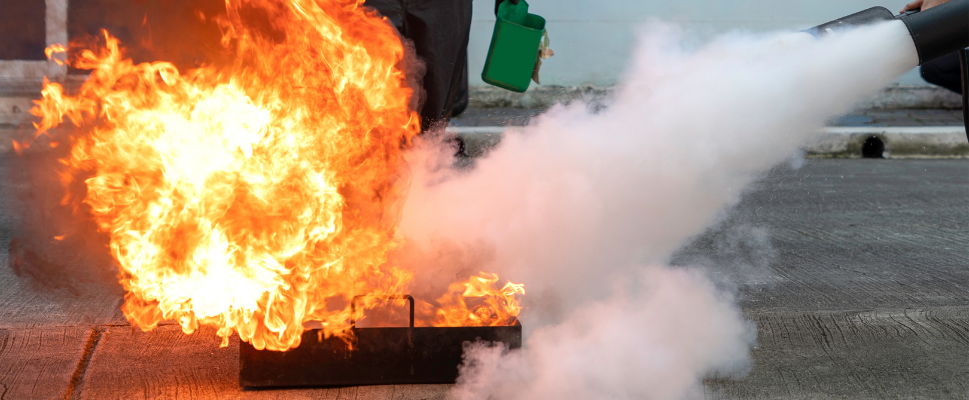
Fire safety is often associated with visible flames, fire extinguishers & emergency alarms. However, smoke can create serious hazards well before a fire reaches people directly. In many workplace emergencies, smoke affects visibility, breathing, orientation & decision-making, making evacuation more difficult.
Effective fire safety training Perth should therefore prepare employees to respond to smoke as well as flames. Understanding how smoke behaves, how it affects evacuation routes & why rapid exit is critical can help people respond more effectively during an emergency.
Smoke Can Spread Beyond the Fire Area
Smoke can move through corridors, stairwells, ceiling spaces, ventilation systems & adjoining rooms. This means employees may encounter smoke even when the fire itself is some distance away.
Depending on the building layout, smoke can travel quickly from the original fire area into evacuation paths. Staff who expect danger only where flames are visible may underestimate the seriousness of conditions elsewhere in the building.
Training should reinforce that visible flames are not required for an area to become unsafe.
Reduced Visibility Can Change Evacuation Behaviour
One of the immediate effects of smoke is reduced visibility. Familiar hallways, doorways, exit signs & stairwells can become difficult to recognise.
When visibility decreases, people may:
- Move more slowly than usual
- Become uncertain about the correct exit
- Attempt to return to familiar areas
- Follow other people without checking evacuation instructions
- Miss directional signs or emergency exits
- Become separated from colleagues
Fire safety training should prepare staff for the possibility that normal visual references may not be available during an evacuation.
This makes familiarity with emergency exits, assembly points & alternative evacuation routes particularly important.
Smoke Can Affect Breathing & Physical Ability
Smoke may contain gases, fine particles & combustion products that can irritate the eyes and respiratory system. Exposure can make breathing more difficult, increase coughing & reduce a person’s ability to move quickly.
The exact hazards depend on the materials involved in the fire, but employees should understand a simple principle: smoke should be treated as an immediate warning to leave the affected area.
Staff should not assume that smoke is safe simply because it appears light or because flames cannot be seen.
Why Rapid Exit Matters
Delays during a fire emergency can increase exposure to smoke and reduce available evacuation options. Conditions inside a building may change quickly as smoke spreads or evacuation routes become affected.
Employees should therefore understand the importance of responding promptly to alarms and evacuation instructions.
Common causes of unnecessary delay include:
- Collecting personal belongings
- Finishing work tasks
- Looking for the source of the alarm
- Waiting for confirmation from colleagues
- Returning for phones, bags or other items
- Attempting to investigate smoke
Training should make it clear that evacuation takes priority over property, equipment & routine workplace responsibilities.
Staff Should Know More Than One Exit Route
Employees often become accustomed to using the same entrance, corridor or staircase every day. During a fire, that familiar route may not be available.
Workplaces should ensure staff know where alternative exits are located and understand the evacuation arrangements for their specific work area.
A structured fire safety training Perth programme can reinforce evacuation routes, assembly procedures, emergency responsibilities & appropriate responses when smoke affects the usual exit path.
Regular training is particularly important after workplace renovations, layout changes or alterations to emergency exits.
Smoke Can Cause Confusion & Poor Decision-Making
Fire emergencies place people under pressure. Smoke, alarms, poor visibility & unfamiliar conditions can make it harder to process information.
Without prior training, employees may rely on instinct rather than established emergency procedures.
Fire safety education can reduce this uncertainty by helping staff understand what actions are expected before an emergency occurs. Clear responsibilities, familiar evacuation routes & repeated emergency instructions can support more organised behaviour.

Fire Extinguisher Perth
Evacuation Drills Should Reflect Realistic Conditions
Evacuation drills are an opportunity to test how staff respond to alarms, exits & assembly procedures.
Although smoke should not be introduced into routine workplace drills without appropriate professional planning, training discussions can include scenarios where a normal exit is unavailable because of smoke.
Employees can be asked to consider:
- Which alternative exit they would use
- How they would respond if visibility was reduced
- What they should do if a corridor appeared unsafe
- Where they should assemble after leaving
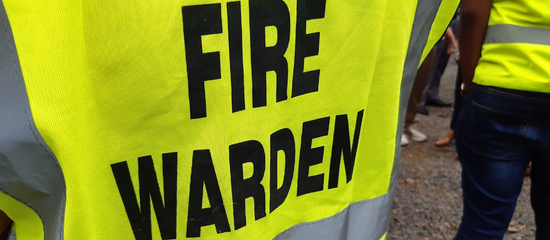
- Who is responsible for checking designated areas
- How visitors or contractors would be directed
These scenarios help reinforce that evacuation plans need to account for changing conditions.
Fire Equipment Supports the Wider Safety System
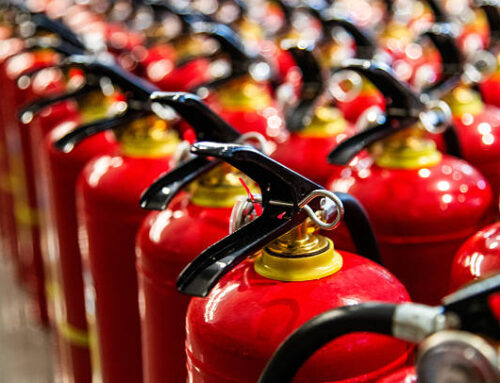
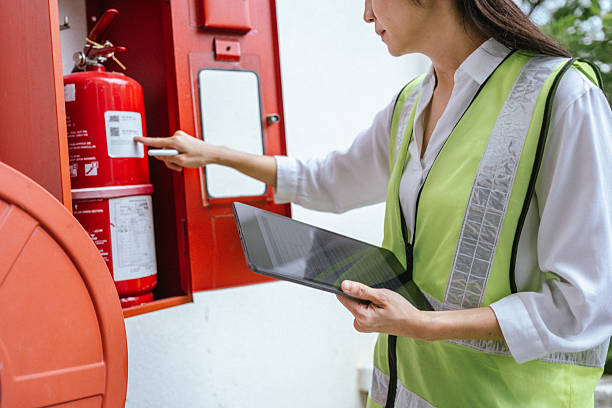
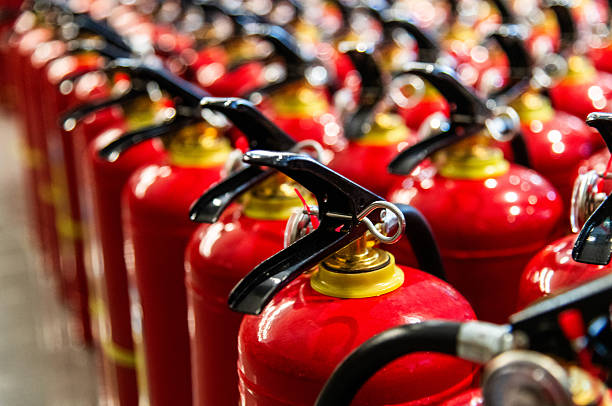
Training is only one part of workplace fire preparedness. Appropriate extinguishers, signage, fire blankets, hose reels & other fire safety equipment may also form part of the site’s fire protection arrangements.
Businesses sourcing workplace equipment should work with a suitable Fire Equipment Supplier Perth to obtain products appropriate for their premises, operational risks & existing fire safety systems.
Equipment should also remain accessible, correctly positioned & maintained in accordance with relevant workplace requirements.
Employees Need to Understand When Not to Fight a Fire
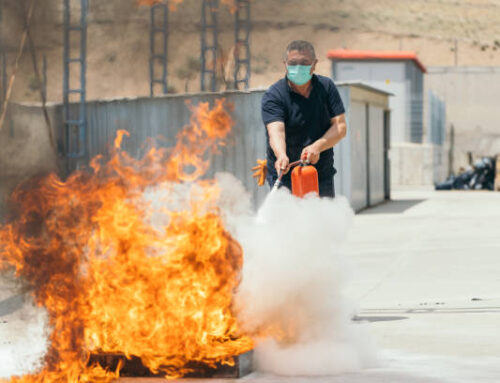
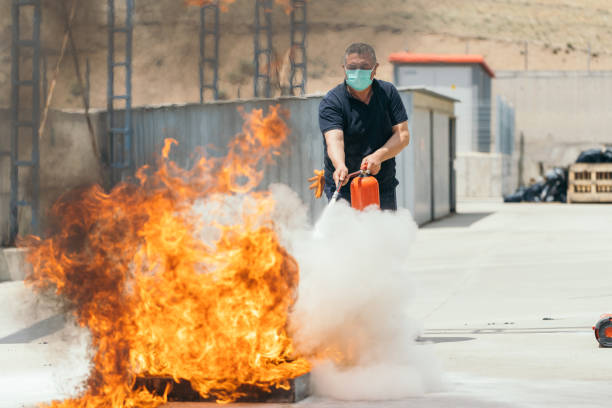
Fire extinguishers can be useful for suitable small fires when used by trained people and when conditions allow. However, employees should not place themselves at risk attempting to control a fire when smoke is already affecting the area.
Training should emphasise that personal safety & evacuation come first.
Employees should understand that firefighting equipment is not a substitute for evacuation. If smoke is increasing, visibility is deteriorating or the exit route could become compromised, leaving the area should remain the priority.
A reliable Fire Equipment Supplier Perth can support businesses with suitable workplace fire equipment, while employee training ensures staff understand how that equipment fits within the broader emergency response plan.
Fire Safety Training Should Address the Full Emergency
Workplace fire safety cannot focus only on visible flames. Smoke can affect people before they ever see the fire, reducing visibility, interfering with breathing & making familiar evacuation routes difficult to navigate.
Effective training should therefore cover smoke awareness, evacuation behaviour, alternative exits, rapid response to alarms & the importance of leaving unsafe areas without delay.
By preparing employees for both smoke and fire, workplaces can create clearer emergency expectations & support faster, more organised evacuation when conditions change.


Leave A Comment