


Workplace fire emergencies can develop quickly, leaving employees with limited time to make safe decisions. Even where fire extinguishers, alarms, exit signage and emergency procedures are in place, employee behaviour can significantly affect how effectively a workplace responds.
Businesses that provide regular fire safety training Perth can help employees understand what to do when an alarm sounds, when evacuation is required and why certain actions can place themselves or others at unnecessary risk.
Understanding the most common mistakes employees make during workplace fires can help organisations improve emergency readiness, evacuation procedures and overall workplace safety.
Delaying Evacuation
One of the most serious mistakes is waiting too long before leaving the building.
Employees may hesitate because they are uncertain whether an alarm is genuine. Others may wait for instructions, finish a task or investigate the source of smoke or an unusual smell.
Any unnecessary delay can become dangerous because smoke and fire conditions can change rapidly. Evacuation procedures should clearly explain what employees are expected to do when an alarm activates or an evacuation instruction is issued.
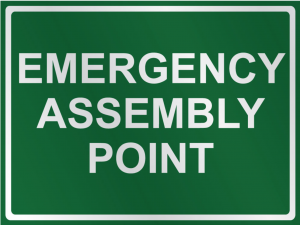
Employees should know their nearest safe exit, designated assembly area and any workplace-specific evacuation responsibilities.
Returning to Collect Personal Belongings
Another common mistake is attempting to collect personal possessions before evacuating.
Employees may return for mobile phones, handbags, laptops, wallets, car keys or other belongings. This creates unnecessary delays and may require people to move towards areas affected by smoke or fire.
During an emergency, leaving the building safely should take priority over retrieving property.
Businesses should reinforce this requirement during inductions, emergency briefings and evacuation exercises so employees understand that belongings should be left behind when immediate evacuation is required.
Using the Wrong Fire Extinguisher
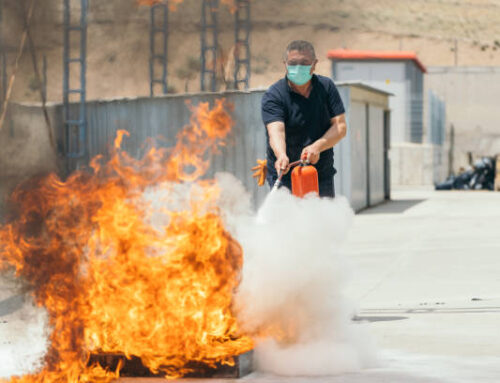
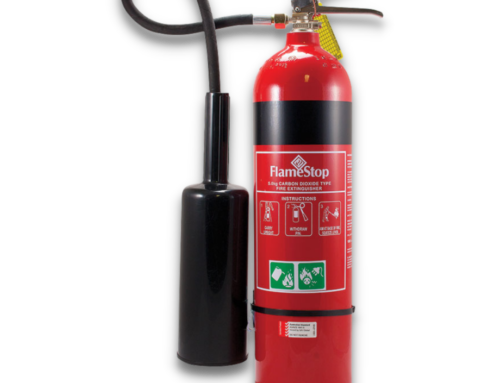
Portable fire extinguishers are designed for specific types of fires. Using unsuitable equipment can make a situation more dangerous.
For example, certain extinguishers are suitable for ordinary combustible materials, while others are designed for electrical equipment, flammable liquids, cooking oils or other fire classes.
Employees should never assume that every extinguisher can be used on every type of fire.
Appropriate workplace training should help selected employees understand extinguisher identification, basic fire classifications and when attempting to use an extinguisher would be unsafe.
Businesses should also obtain suitable equipment from a reputable Fire Equipment Supplier Perth that can provide products appropriate to the hazards present within the workplace.
Trying to Fight a Fire That Is Too Large
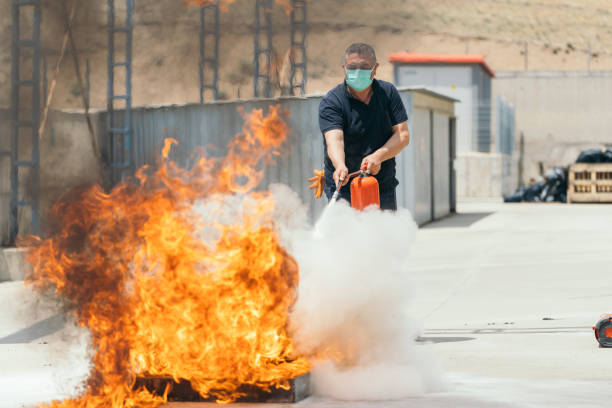
Even when the correct extinguisher is available, employees can make the mistake of attempting to control a fire that has already become unsafe.
Portable extinguishers are intended for certain early-stage fires. Employees should not remain in an area where smoke is increasing, flames are spreading, visibility is deteriorating or a safe escape route could be compromised.
Personal safety and evacuation should remain the priority.
Employees who are expected to use firefighting equipment should understand both how to operate it and when they should stop attempting to control a fire and evacuate.
Ignoring Blocked or Restricted Exit Routes
Emergency exits and evacuation paths need to remain accessible.
Boxes, stock, furniture, equipment, pallets and other items can obstruct evacuation routes if workplace housekeeping is poorly managed. Employees may also unintentionally restrict exits by temporarily storing items in corridors or near emergency doors.
During an emergency, even a minor obstruction can slow evacuation or create congestion.
Regular inspections should therefore include checking evacuation paths, emergency exits, stairways and access to firefighting equipment.
Poor Communication During an Emergency
Communication problems can increase confusion during workplace fires.
Employees may assume someone else has raised the alarm, contacted emergency services or informed people in another part of the premises. Others may provide unclear or conflicting instructions.
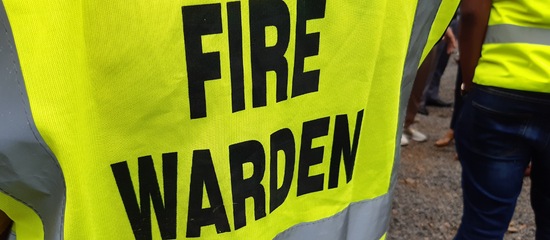
Emergency procedures should clearly identify responsibilities for wardens, managers and other nominated personnel.
Employees should also understand how alarms operate, where assembly areas are located and how accountability procedures are managed once people have evacuated.
Re-Entering the Building Too Soon
Employees should not return to a building simply because smoke appears to have cleared or because the fire seems to be under control.
There may still be heat, smoke, structural hazards or other risks inside the premises.
Re-entry should only occur when authorised by the appropriate emergency personnel or responsible workplace representative.
This requirement should form part of workplace emergency procedures and evacuation training.
Failing to Participate Seriously in Fire Drills
Fire drills are sometimes treated as interruptions rather than important safety exercises.
Employees who ignore instructions, walk slowly, use unsuitable exits or fail to report to assembly points may not understand what will be required during a genuine emergency.
Regular drills help businesses identify weaknesses in evacuation procedures, including congestion, communication problems, unclear responsibilities and difficulties accounting for employees.
Effective fire safety training Perth can reinforce these expectations while helping employees understand the reasons behind workplace fire procedures.
Not Knowing Where Fire Equipment Is Located
Employees may work in a building every day without knowing where extinguishers, fire blankets, hose reels, manual alarm points or emergency exits are positioned.
This lack of familiarity can delay decision-making during an emergency.
Relevant fire equipment should be clearly identified, accessible and positioned according to applicable workplace requirements. Employees who may be expected to use equipment should be familiar with its location and purpose.
Working with an established Fire Equipment Supplier Perth can also help businesses source suitable workplace fire equipment for their operational risks and premises.
Building Better Workplace Fire Readiness
Fire equipment alone cannot provide effective workplace protection. Employees also need to understand evacuation procedures, emergency communication, equipment limitations and the importance of acting promptly.
Businesses should review workplace fire procedures regularly, maintain clear exit routes, keep firefighting equipment accessible and provide appropriate employee training.
By reducing hesitation, improving communication and ensuring employees understand what actions to avoid, organisations can create a more coordinated response when a workplace fire emergency occurs.


Leave A Comment