



Travelling with a 4×4, camper trailer or caravan brings together several potential fire sources within a relatively small space. LPG cylinders, portable cooking equipment, electrical systems, lithium batteries, fuel, generators & vehicle components can all create different fire risks.
Choosing suitable fire protection is therefore about more than simply carrying an extinguisher. The equipment needs to match the hazards present, remain accessible during an emergency & be maintained in usable condition.
For travellers looking for Fire Extinguishers Perth, understanding the different risks associated with gas, batteries & cooking equipment can help determine which fire protection products are appropriate for a touring setup.
Why 4×4 & Caravan Fire Risks Are Different
A home or commercial building usually has clearly defined electrical, cooking & storage areas. A caravan or 4×4 touring setup can combine these hazards within only a few metres.
Common sources of fire include:
- LPG cylinders & gas appliances
- portable gas cookers
- caravan kitchens
- lithium battery systems
- auxiliary vehicle batteries
- solar charging equipment
- electrical wiring & inverters
- generators
- petrol or diesel
- hot vehicle components
- campfires & outdoor cooking equipment.
This combination means there is not necessarily one extinguisher type that is appropriate for every possible incident.
Gas Systems & LPG Fire Risks
Caravans, camper trailers & camping setups often use LPG for cooking, hot water or refrigeration.
Gas fires require particular caution because extinguishing the visible flame does not necessarily remove the underlying hazard. If gas continues escaping after a flame has been extinguished, an explosive atmosphere can develop.
Where it can be done safely, the priority is generally to isolate the gas supply. People should not place themselves at risk attempting to reach a cylinder valve or appliance during a developing fire.
Gas cylinders should also be stored, transported & connected according to applicable requirements and manufacturer instructions.
Regular inspection of hoses, connections, regulators & appliances can reduce the likelihood of leaks becoming a fire hazard.
Cooking Fires Around Campsites & Caravans
Cooking remains one of the most common situations where travellers may need immediate fire protection.
Potential hazards include:
- cooking oils
- grease
- gas burners
- portable stoves
- barbecues
- hot plates
- electrical cooking appliances.
Cooking fires can develop rapidly, particularly where combustible materials are nearby.
Caravan curtains, paper towels, food packaging, awnings, clothing & camping equipment should be kept away from burners and other heat sources.
Never use water on burning cooking oil or fat. Water can cause burning oil to spread violently, increasing the risk of burns and property damage.
A suitable fire blanket can provide additional protection for certain small cooking fires, making it a useful addition alongside an appropriate portable extinguisher.
Lithium Battery Fire Risks
Lithium batteries are increasingly common in touring vehicles because they provide substantial energy storage without the weight associated with some traditional battery systems.
They can power:
- refrigerators
- lighting
- inverters
- communications equipment
- pumps
- appliances
- electronic devices.
However, damaged, incorrectly installed or overheating lithium batteries can present a specialised fire risk.
Lithium-ion battery failures can involve thermal runaway, where heat generated inside a battery causes continuing chemical reactions. These incidents can produce significant heat, toxic gases & the potential for reignition.
This means travellers should not assume that every conventional portable extinguisher will deal effectively with a lithium battery incident.
Where significant lithium battery systems are installed, fire protection equipment should be selected specifically with the battery technology & installation in mind.
Traditional Auxiliary Batteries
Many 4x4s & caravans still use lead-acid, AGM or similar auxiliary battery systems.
Although their behaviour differs from lithium-ion batteries, electrical faults around batteries can still cause fires.
Common causes include:
- damaged cables
- loose terminals
- incorrect fusing
- overloaded wiring
- poor connections
- defective chargers
- short circuits
- damaged accessories.
Battery cabling should be properly protected, secured & maintained. Correct electrical installation is an important part of fire prevention, particularly where high-current equipment such as inverters, winches or refrigerators is connected.
Dry Chemical Powder Extinguishers
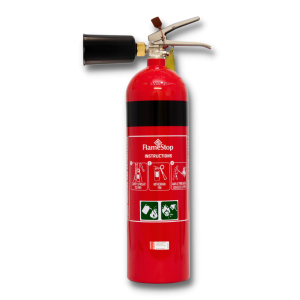
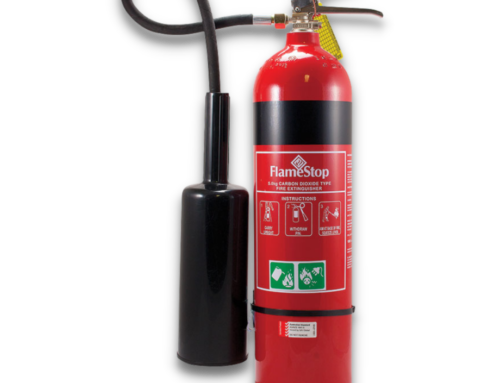
Dry chemical powder extinguishers are commonly used in vehicles, caravans & general camping applications because suitable models can address several common classes of fire.
Depending on their classification, they may be appropriate for combustible materials, flammable liquids, gases & energised electrical equipment.
Their versatility makes them useful for mobile environments where several hazards may be present.
However, powder can leave substantial residue. This can affect electronics, appliances & confined caravan interiors following discharge.
The extinguisher classification should therefore always be checked rather than assuming that every dry chemical extinguisher provides identical protection.
Where Should an Extinguisher Be Mounted?
Accessibility is critical.
An extinguisher provides limited benefit if it cannot be reached when the kitchen, battery compartment or vehicle is already involved in fire.
Good placement usually means locating equipment:
- near an accessible exit
- away from the most likely fire source
- where it can be reached quickly
- inside a suitable mounting bracket
- where equipment is protected from unnecessary impact or damage.
For example, positioning the only extinguisher directly beside the stove can create a problem if the stove itself is on fire.
In caravans, placing equipment close to an exit can allow occupants to reach it while maintaining an escape route.
Fire Protection for Outdoor Cooking Areas
Camping kitchens can sometimes create hazards that are overlooked because cooking takes place outside.
Dry grass, awnings, canvas, tables, chairs, vehicles & tents may all be close to cooking equipment.
Gas cookers should be positioned securely with adequate clearance from combustible materials.
Barbecues should not be placed where flames or radiant heat could affect tents, annexes, vehicles or gas storage areas.
Extinguishers should remain accessible rather than being buried beneath camping equipment once a site has been established.
Vehicle Fire Risks
4×4 touring vehicles introduce another category of fire hazards.
Possible causes include:
- electrical faults
- fuel leaks
- aftermarket wiring
- battery installations
- hot exhaust components
- engine compartment faults
- auxiliary equipment.
Vehicles fitted with additional lighting, refrigerators, compressors, winches, communications systems or dual-battery setups may contain substantially more electrical equipment than a standard vehicle.
Professional installation, suitable circuit protection & routine inspection help reduce these risks.
Do You Need More Than One Extinguisher?
For larger touring combinations, carrying multiple fire protection devices can provide better coverage.
A tow vehicle, caravan & external kitchen may have separate risk areas. Depending entirely on one extinguisher stored inside the caravan may not provide practical protection if the caravan cannot safely be entered.
Travellers should assess where fires could realistically begin & whether equipment could still be reached from a safe location.
A specialist Fire Safety company Perth can help trade customers or equipment providers identify products suitable for different vehicle, camping & caravan applications.
Extinguisher Inspection & Maintenance
Portable extinguishers should not simply remain mounted for years without inspection.
Before travelling, check for obvious issues including:
- physical damage
- corrosion
- missing safety pins
- damaged hoses
- loose mounting brackets
- pressure indicators outside their normal operating range
- unreadable instructions.
Equipment exposed to vibration, dust, moisture, heat & coastal environments may experience more demanding conditions than extinguishers stored inside buildings.
Extinguishers should also be inspected, maintained or replaced according to applicable requirements and manufacturer instructions.
Never Block the Escape Route
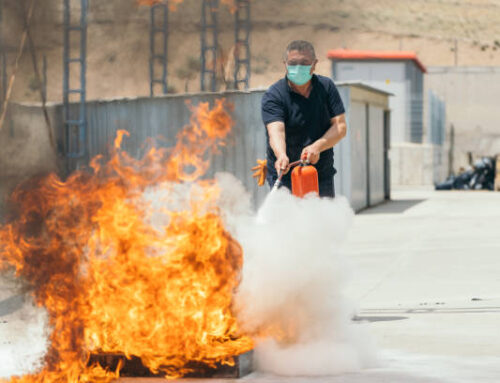
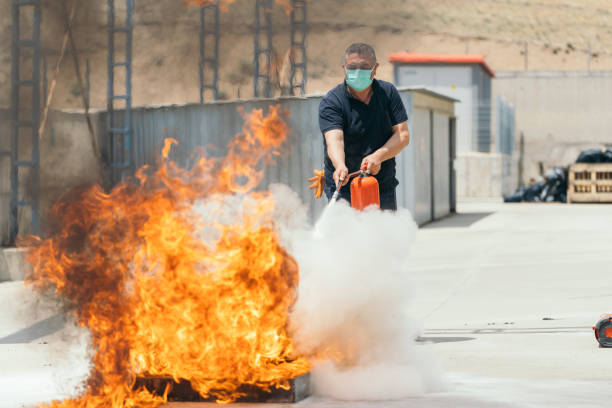
Fire equipment is intended to support safe evacuation, not encourage people to fight a developing fire.
If a fire is spreading, producing heavy smoke or cannot be controlled immediately, occupants should move to a safe location & contact emergency services.
Never attempt to extinguish a fire if doing so requires moving towards the flames without a clear escape path behind you.
Gas cylinders, batteries & fuel can significantly increase the consequences of a vehicle or caravan fire.
Build Fire Safety Into the Touring Setup
Good caravan & 4×4 fire protection combines prevention, suitable equipment & sensible placement.
Travellers should consider:
- the type of gas system installed
- battery chemistry
- electrical equipment
- fuel storage
- cooking arrangements
- vehicle modifications
- extinguisher accessibility
- fire blankets
- emergency escape routes.
Selecting equipment should be based on the actual hazards present rather than buying an extinguisher purely because it is labelled for automotive or camping use.
When sourcing Fire Extinguishers Perth, check the extinguisher classification, application, size, mounting requirements & suitability for the specific touring environment.
Working with an established Fire Safety company Perth can also help businesses, installers & trade buyers source suitable extinguishers, brackets, fire blankets, signage & related fire protection equipment for 4×4, caravan & camping applications.
Prepare Before Leaving Home
Fire prevention should form part of every pre-trip inspection.
Checking LPG equipment, battery systems, wiring, cooking appliances & portable fire protection before departure can identify problems before a vehicle reaches a remote campsite.
For 4x4s, caravans & camper trailers, the objective is straightforward: reduce the likelihood of a fire starting, have suitable equipment available for small manageable incidents & maintain a clear route to safety if conditions escalate.


Leave A Comment