


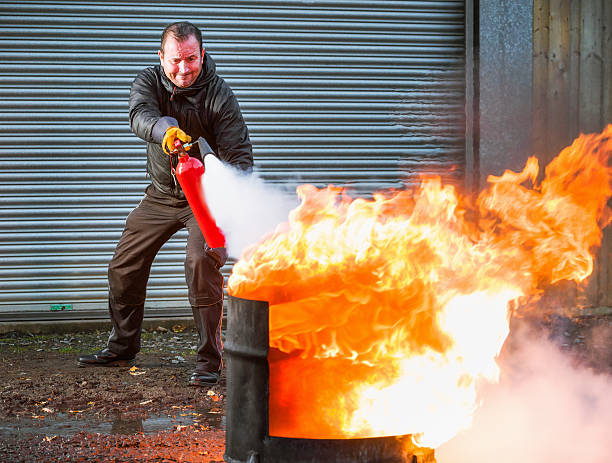
Effective fire protection starts with correct extinguisher coverage. The number of units required is not arbitrary; it is determined by building size, layout, occupancy type, and the specific fire risks present in each area. Understanding how coverage is calculated ensures compliance, reduces response time, and supports safer evacuation outcomes.
Understanding Coverage Requirements
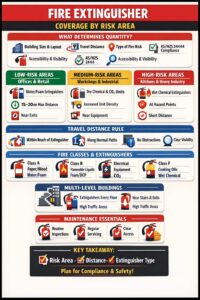
Fire extinguisher placement is guided by standards such as AS/NZS 2444, which define travel distances, extinguisher types, and minimum coverage levels. Rather than focusing purely on floor area, compliance is based on how quickly a person can access an extinguisher during an emergency.
Key factors influencing quantity include:
- Maximum travel distance to an extinguisher
- Type of fire risk (Class A, B, C, electrical, or kitchen fires)
- Building layout, including partitions and obstructions
- Accessibility and visibility of units
For businesses sourcing Fire Extinguishers Perth, aligning installation with these criteria ensures both regulatory compliance and practical usability.
Risk Area Classification
Each environment presents different fire hazards, and extinguisher allocation must reflect this. A single unit type or placement strategy is not sufficient across mixed-use facilities.
Low-Risk Areas (Offices & Retail Spaces)
These spaces typically involve combustible materials such as paper, furniture, and packaging.
Coverage considerations:
- Water or foam extinguishers are commonly required
- Units should be positioned within a standard travel distance (typically 15–20 metres)
- Placement near exits ensures accessibility during evacuation
Medium-Risk Areas (Workshops & Light Industrial)
These environments introduce flammable liquids, machinery, and electrical equipment.
Coverage considerations:
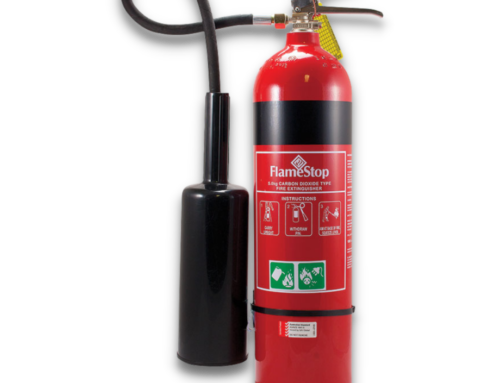
- Combination of dry chemical powder and CO₂ extinguishers
- Increased unit density compared to office environments
- Placement near equipment, not just exits
High-Risk Areas (Commercial Kitchens & Heavy Industry)
Higher ignition probability and faster fire spread define these areas.
Coverage considerations:
- Wet chemical extinguishers for cooking oils and fats
- Additional units positioned directly adjacent to hazard zones
- Reduced travel distances to ensure rapid response
Businesses prioritising fire safety Perth must assess each operational zone individually rather than applying a uniform approach across the entire site.
Travel Distance & Placement Strategy
The concept of travel distance is central to determining how many extinguishers are required. If a person cannot reach an extinguisher quickly, the unit does not meet compliance expectations.
Best practice includes:
- Ensuring no point within the building exceeds the maximum allowable travel distance
- Installing extinguishers along normal paths of travel
- Avoiding hidden or obstructed placements
- Mounting units at compliant heights for visibility and ease of access
Facilities implementing Fire Extinguishers Perth solutions often conduct site audits to map out these distances accurately and identify coverage gaps.
Fire Safety Perth
Matching Extinguishers to Fire Types
Correct coverage is not only about quantity but also about suitability. Each extinguisher must match the fire risk present in the area.
Common classifications:
- Class A: Paper, wood, textiles
- Class B: Flammable liquids
- Class C: Gases
- Electrical: Energised equipment
- Class F: Cooking oils and fats
Using incorrect extinguisher types can compromise safety and lead to non-compliance. This is why a structured risk assessment is essential when planning fire safety Perth strategies.
Multi-Level & Complex Facilities
Larger or multi-storey buildings require additional planning. Each level must be treated as a separate risk environment with its own coverage requirements.
Considerations include:
- Dedicated extinguishers on every floor
- Additional units near stairwells and lift lobbies
- Increased density in high-traffic or high-risk zones
Warehouses, healthcare facilities, and commercial complexes often require layered coverage to ensure consistent protection across all operational areas.
Maintenance & Ongoing Compliance
Installing the correct number of extinguishers is only part of compliance. Regular inspection and servicing ensure units remain operational when required.
Maintenance requirements typically include:
- Routine visual inspections
- Scheduled servicing in accordance with Australian Standards
- Clear labelling and unobstructed access
- Immediate replacement of discharged or faulty units
Consistent servicing supports long-term compliance and reinforces the effectiveness of any fire protection strategy.
Summary
Determining how many fire extinguishers are needed depends on risk classification, building layout, and compliance with travel distance requirements. Offices, industrial spaces, and specialised environments each require tailored coverage strategies supported by appropriate extinguisher types.
A structured assessment ensures correct placement, adequate quantity, and alignment with regulatory standards. This approach not only meets compliance obligations but also improves response capability in the event of a fire.



Leave A Comment