


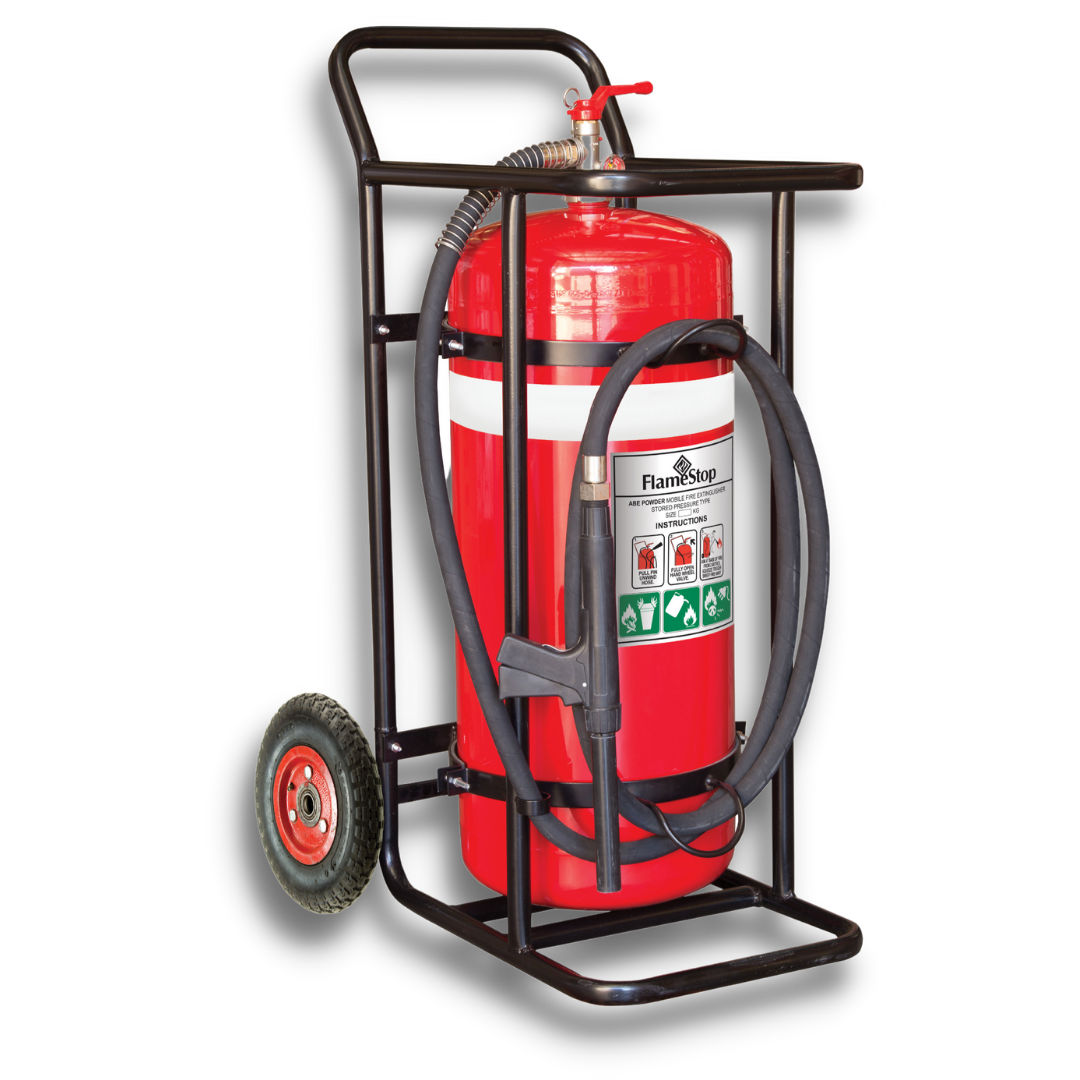
Fire extinguishers play an essential role in emergency response planning within residential, commercial, and industrial properties. They provide immediate fire suppression capability during the early stages of a fire, often preventing a minor incident from escalating into a major emergency. However, fire extinguishers are not permanent safety devices. Over time, their internal components degrade, pressure levels decline, and extinguishing agents can lose effectiveness. Understanding replacement cycles, the risks of expired equipment, and correct disposal methods is therefore essential for maintaining effective Fire Safety Perth standards.
Why Fire Extinguishers Have Expiry Periods
Every fire extinguisher is manufactured with pressurised components, seals, valves, and extinguishing agents designed to operate within a defined lifespan. Environmental exposure, pressure changes, and internal chemical reactions gradually reduce reliability.
Common factors influencing extinguisher lifespan include:
- Internal corrosion within the cylinder
- Seal and valve degradation
- Pressure loss from slow leaks
- Chemical breakdown of extinguishing agents
- Environmental exposure such as heat, moisture, or vibration
Most modern extinguishers have a service life of around 5–15 years, depending on the type and manufacturer specifications. Regular inspections ensure these devices remain operational until they reach the end of their approved service period.
For businesses maintaining compliance with workplace safety regulations, maintaining properly serviced Fire Extinguishers Perth is a critical part of fire protection planning.
Recommended Replacement Cycles
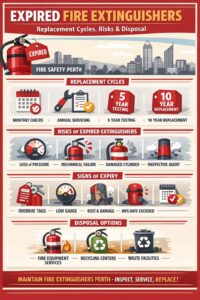
While servicing and refilling can extend the operational life of an extinguisher, replacement eventually becomes necessary. Australian fire safety standards typically recommend the following maintenance cycles:
Monthly Visual Checks
Basic inspections should confirm:
- The pressure gauge is within the operational range
- The safety pin and tamper seal are intact
- The unit is accessible and unobstructed
- There is no visible damage or corrosion
Annual Professional Servicing
A qualified technician typically performs annual inspections to verify:
- Internal pressure levels
- Condition of valves and seals
- Integrity of the cylinder body
- Weight and condition of extinguishing agent
Five-Year Maintenance
Many extinguishers require internal examination, including discharge testing or pressure testing to confirm structural integrity.
Ten-Year Replacement or Hydrostatic Testing
At approximately ten years, many units either undergo hydrostatic testing or are replaced entirely depending on their condition and design.
Maintaining structured replacement cycles supports ongoing Fire Safety Perth compliance across commercial premises, workplaces, and residential buildings.
Risks of Using Expired Fire Extinguishers
Expired extinguishers present multiple safety risks during emergency situations. When a fire occurs, equipment failure can have severe consequences for both occupants and property.
Reduced Fire Suppression Capability
The extinguishing agent inside the unit may compact, separate, or degrade over time. This reduces the ability of the extinguisher to suppress flames effectively.
Loss of Pressure
Fire extinguishers rely on internal pressure to discharge the extinguishing agent. Over time, slow pressure leaks may occur, resulting in insufficient discharge power.
Mechanical Failure
Aging valves, seals, and internal components may fail when the unit is activated, preventing proper operation.
Cylinder Rupture Risk
In rare cases, severely corroded or weakened cylinders may rupture under pressure, posing a physical hazard.
Ensuring properly serviced Fire Extinguishers Perth are installed significantly reduces the risk of equipment failure during critical moments.
Identifying an Expired Fire Extinguisher
Property owners and facility managers should regularly check extinguisher labels and inspection tags. Several indicators suggest replacement may be required.
Common warning signs include:
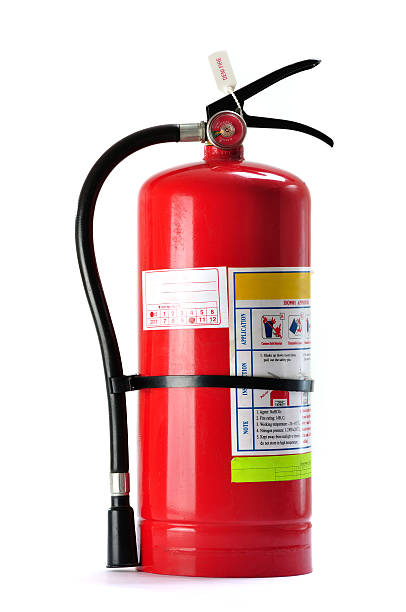
- Inspection tags showing overdue service dates
- Pressure gauge outside the recommended range
- Visible rust, corrosion, or physical damage
- Loose hoses, broken handles, or missing safety pins
- Manufacturing date exceeding the recommended service life
When these issues appear, professional inspection or replacement should be arranged promptly to maintain reliable fire protection.
Safe Disposal of Expired Fire Extinguishers
Expired extinguishers cannot simply be discarded with general waste due to their pressurised contents and chemical agents. Proper disposal procedures help prevent environmental harm and safety hazards.
Typical disposal methods include:
Professional Fire Equipment Providers
Fire protection companies often collect expired units and manage safe depressurisation, recycling, or disposal of internal components.
Recycling Facilities
Many metal components of extinguishers can be recycled once the unit has been depressurised and dismantled correctly.
Local Waste Management Services
Some municipal waste centres accept fire extinguishers as controlled waste items and manage their safe disposal.
Proper disposal processes support broader community safety and environmental responsibility while maintaining high standards of Fire Safety Perth.
Best Practices for Maintaining Fire Extinguishers
Maintaining reliable fire protection equipment requires more than simply installing extinguishers. Ongoing inspection, servicing, and replacement planning ensure systems remain functional when needed.
Key best practices include:
- Keeping clear access to all extinguishers
- Recording inspection dates and maintenance history
- Ensuring staff or occupants know how to use extinguishers safely
- Replacing units that exceed manufacturer service life
- Engaging qualified fire safety technicians for inspections
These practices help ensure Fire Extinguishers Perth remain fully operational and capable of providing immediate fire response when emergencies occur.
Conclusion
Fire extinguishers provide critical first-response protection against small fires, but their reliability depends on proper maintenance and timely replacement. Expired units may lose pressure, suffer mechanical failure, or deliver ineffective fire suppression, creating unnecessary risk during emergencies.
By following recommended servicing intervals, recognising warning signs of expired equipment, and disposing of old extinguishers responsibly, property owners can maintain reliable fire protection systems. Regular inspections and professional servicing ensure extinguishers continue to support effective emergency response and contribute to strong Fire Safety Perth practices across homes, workplaces, and public facilities.


Leave A Comment