



Fire incidents escalate quickly. Early intervention with the correct fire extinguisher can limit damage, reduce downtime and support occupant safety. However, misuse can increase risk, cause injury or delay evacuation. Understanding the PASS method and recognising when to evacuate are critical components of workplace and residential fire response planning.
For organisations reviewing Fire Extinguishers Perth compliance obligations, staff training and procedural clarity must align with Australian Standards and site-specific risk assessments.
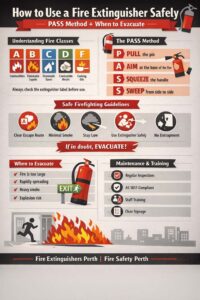
Understanding Fire Classes Before You Act
Before using an extinguisher, identify the fire class. Using the wrong agent can intensify the hazard.
Class A – ordinary combustibles such as paper, timber and textiles
Class B – flammable liquids
Class C – flammable gases
Class D – combustible metals
Class F – cooking oils and fats
Electrical – energised electrical equipment
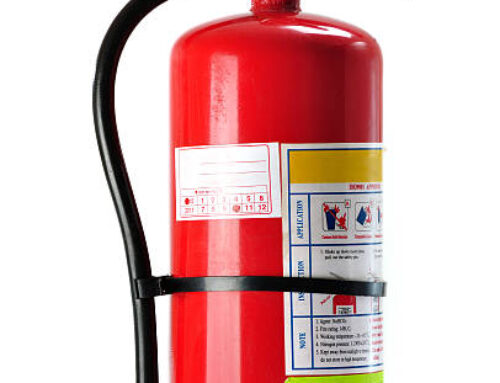
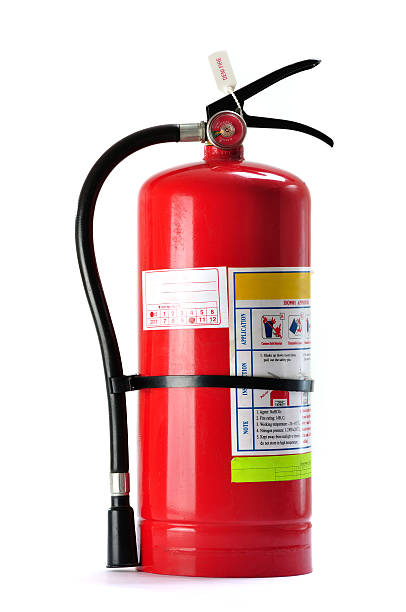
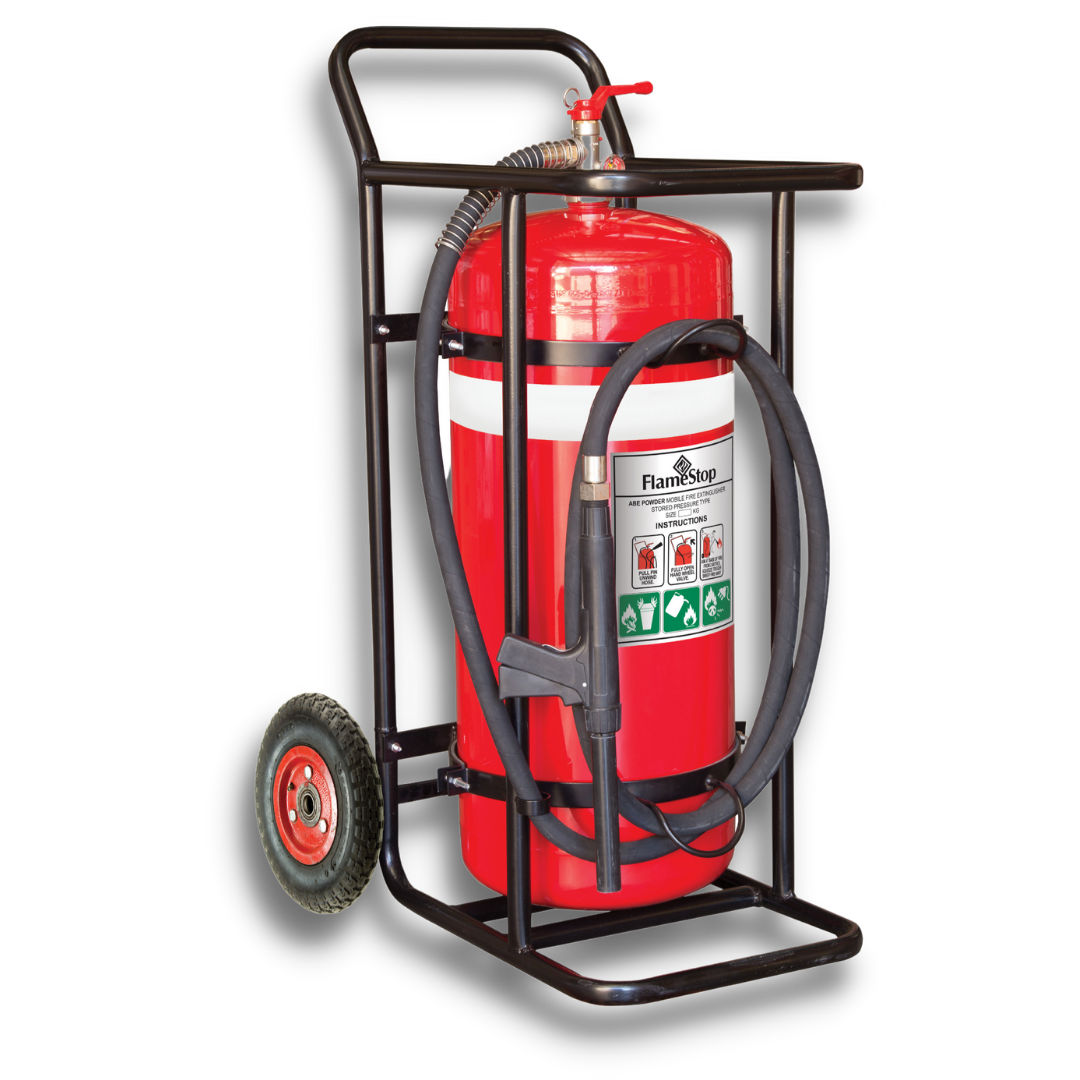
Each extinguisher is labelled to indicate suitability. For example, water units are generally suitable for Class A only, while dry chemical powder units often cover A, B and E (electrical) risks. Wet chemical extinguishers are designed for commercial kitchens and Class F fires.
Never assume all extinguishers are interchangeable. Always check the label before deployment.
The PASS Method Explained
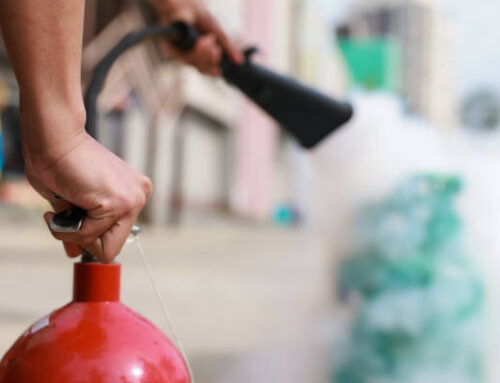
The PASS method provides a structured, safe approach to extinguisher operation:
P – Pull
Pull the safety pin to break the tamper seal. This unlocks the operating lever. Keep the extinguisher upright and maintain a stable stance.
A – Aim
Aim the nozzle or hose at the base of the fire, not at the flames. The fuel source is the target. Standing approximately 2 to 3 metres away reduces exposure to heat and smoke.
S – Squeeze
Squeeze the handle slowly and evenly to discharge the agent. Maintain controlled pressure to avoid unnecessary depletion.
S – Sweep
Sweep the nozzle from side to side across the base of the fire. Continue until the fire appears extinguished. Monitor the area for re-ignition, particularly with flammable liquids or electrical equipment.
If the fire does not begin to diminish within seconds, cease discharge and evacuate immediately.
Safe Operating Positioning
Always position yourself with:
• A clear escape route behind you
• Adequate visibility
• Minimal smoke exposure
• No risk of entrapment
Never allow the fire to come between you and your exit. If visibility drops, heat intensifies or the extinguisher empties before suppression is achieved, evacuate.
Fire Safety Perth
When You Should Not Use an Extinguisher
An extinguisher is designed for small, contained fires only. Do not attempt to fight a fire if:
• Flames are taller than you
• The fire is spreading rapidly
• The room is filling with smoke
• You are unsure of the fire class
• You have not been trained
• There is risk of explosion or gas involvement
In these scenarios, evacuation is the safest course of action.
Evacuation Protocol
If evacuation is required:
- Activate the nearest alarm system.
- Warn others in the immediate area.
- Close doors behind you to limit oxygen supply.
- Follow designated evacuation routes.
- Proceed to the assembly point.
- Contact emergency services.
Do not re-enter the building until declared safe by authorities.
Maintenance and Compliance
Extinguishers must be regularly inspected, pressure-checked and tagged in accordance with Australian Standard AS 1851. Poor maintenance can result in pressure loss, blocked hoses or failed discharge.
Businesses engaging Fire safety Perth compliance services should ensure:
• Correct extinguisher type placement
• Clear signage and visibility
• Routine inspection schedules
• Documented service records
• Staff fire response training
An extinguisher is only effective if it functions correctly and occupants know how to use it.
Training and Risk Assessment
Workplace fire safety plans should include:
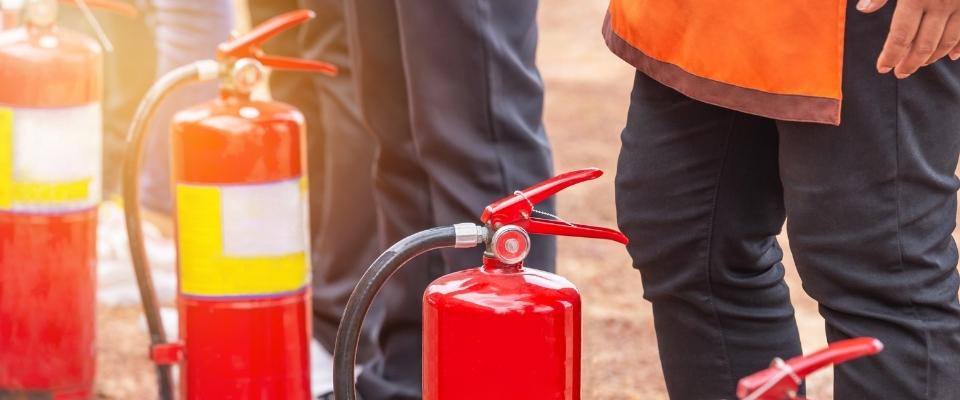
• Annual extinguisher training sessions
• Practical PASS demonstrations
• Hazard identification reviews
• Updated evacuation diagrams
• Emergency warden responsibilities
Organisations reviewing Fire Extinguishers Perth obligations often find that procedural clarity reduces liability and improves emergency response times.
Similarly, structured Fire safety Perth planning integrates equipment, training and evacuation strategy into a single risk-managed framework.
Final Considerations
Using a fire extinguisher is a short-term intervention, not a substitute for emergency services. The PASS method provides a clear operating sequence, but personal safety must always take priority.
If in doubt, evacuate.
A controlled response, appropriate equipment selection and defined evacuation triggers form the foundation of effective fire risk management in residential, commercial and industrial settings.


Leave A Comment