


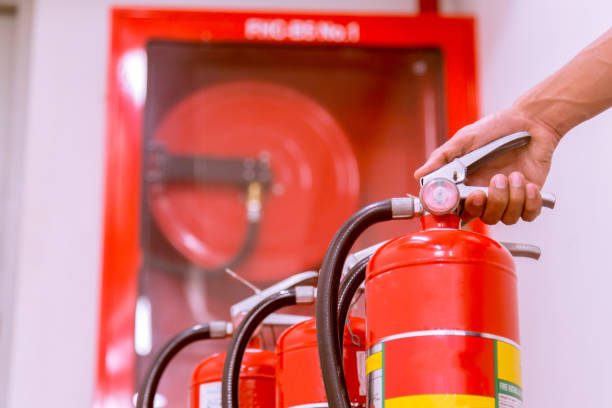
Fire extinguishers are first-response safety equipment designed to control small, early-stage fires before they spread. For workplaces, strata buildings, hospitality venues, warehouses, vehicles, & home setups, correct extinguisher selection reduces downtime, protects people, & supports compliance expectations. When we specify Fire Extinguishers Perth correctly, we match the risk profile of the site, the fuel sources present, & the likely fire classes.
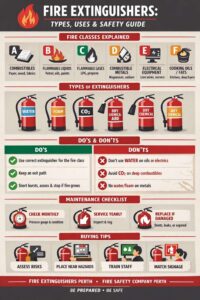
Fire Classes Explained (A, B, C, D, E, F): What to Use & What to Avoid
Class A — Ordinary combustibles
Typical fuels: paper, cardboard, timber, fabrics, many plastics.
Use: Water (where permitted), foam, or ABE dry chemical (depending on site constraints).
Avoid: Using CO₂ alone where deep-seated materials can re-ignite after the gas disperses.
Class B — Flammable liquids
Typical fuels: petrol, diesel, solvents, oils, paints, some adhesives.
Use: Foam, CO₂ (for smaller contained fires), or dry chemical suitable for liquids.
Avoid: Water jets—this can spread the burning liquid & increase the fire footprint.
Class C — Flammable gases
Typical fuels: LPG, propane, butane, natural gas.
Use: Dry chemical suitable for gas fires, with priority on isolating the gas supply.
Avoid: Attempting suppression without controlling the leak—gas-fed fires can re-flash.
Class D — Combustible metals
Typical fuels: magnesium, titanium, sodium, lithium (metal form), aluminium fines.
Use: Specialist Class D powder matched to the specific metal risk.
Avoid: Water, foam, or CO₂—these can intensify reactions & increase hazard.
Class E — Energised electrical equipment
Typical fuels: switchboards, appliances, server racks, motors (while energised).
Use: CO₂ or dry chemical rated for electrical risk while power is on; then treat the remaining fire load by its material class once isolated.
Avoid: Water-based agents on energised equipment.
Class F — Cooking oils & fats
Typical fuels: deep fryers, commercial kitchens, cooking oil storage.
Use: Wet chemical, applied to cool & create a surface barrier to reduce re-ignition.
Avoid: Water—oil can spit violently & spread fire; dry powder can knock burning oil out of the vessel.
Extinguisher Types & Where They Fit
Water (incl. water mist, where available)
- Best aligned to Class A risks in offices, retail, & general storage areas (subject to site rules).
- Not for flammable liquids, energised electrical, metals, or cooking oils.
Foam
- Common for mixed Class A & B risk profiles (workshops, plant rooms, facilities with stored liquids).
- Requires correct application technique to avoid splashing liquids.
CO₂
- Practical for electrical equipment areas & small Class B incidents.
- Limited cooling effect—re-ignition risk exists for Class A materials.
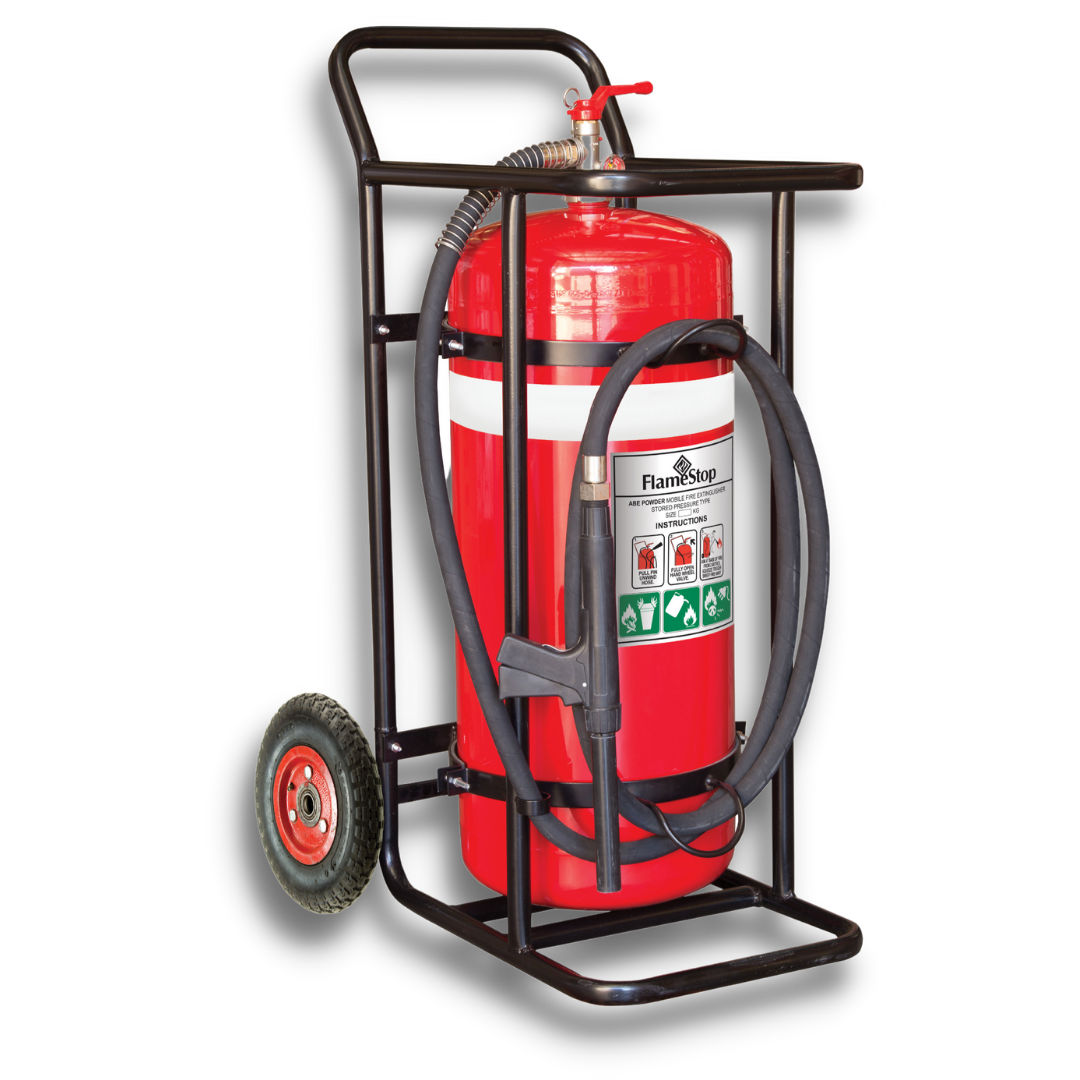
Dry Chemical (often ABE)
- Widely used for mixed-risk sites due to broad coverage across several classes.
- Creates residue—may affect electronics, machinery, stock, & cleanroom environments.
Wet Chemical
- Purpose-built for Class F kitchen risks.
- Often paired with fire blankets & kitchen-specific procedures.
Class D Powder
- Specialist units for metal-working, machining, laboratories, & high-risk storage.
- Must be matched to the metal type on site.
Uses: What “Correct Deployment” Means in Practice
- Confirm the correct extinguisher for the class (label & signage should be clear at the point of need).
- Keep an exit path behind you so withdrawal remains possible.
- Short bursts first to assess control, then continue if the fire reduces.
- Stop if the fire grows, smoke increases, or visibility drops—evacuate & call emergency services.
- Isolate power or fuel where safe (electrical isolation, gas shut-off, process shutdown).
Extinguishers are not a substitute for evacuation plans, emergency lighting, exit access, alarms, or staff training. They are one part of a system.
Maintenance: What to Check & How Often
A maintenance plan should cover inspection, servicing, testing, documentation, & replacement triggers. In operational terms, we focus on:
Routine visual checks (site checks)
- Correct location & accessible mounting height
- Pressure indicator in range (where fitted)
- Pin & tamper seal intact
- No dents, corrosion, leaks, blocked horn/nozzle, or damaged hose
- Clear operating instructions & legible labelling
- Signage visible & not obstructed
Scheduled servicing (by a competent provider)
- Verification of agent condition & cylinder integrity
- Hose/horn condition & fittings
- Weigh checks for CO₂ (loss can occur without visible damage)
- Confirmation the extinguisher type still matches the site’s current hazards
- Updated service tags & records for audit readiness
Replacement triggers
- Obsolete model, missing identification, damaged cylinder, failed testing, or repeated issues
- Site changes (new equipment, battery storage, kitchen expansion, chemical introduction)
- After any discharge (even partial) unless the unit is correctly recharged & tested
Partnering with a Fire safety Company Perth that maintains consistent records across multi-site portfolios reduces compliance gaps, missed service dates, & incorrect extinguisher placement.
Fire Extinguishers Perth
Buying Guide: How to Select the Right Fire Extinguisher Setup
1) Start with the hazards, not the floor plan
List what can burn: packaging, fuels, oils, electrical equipment, metalwork, cleaning chemicals, vehicle bays, kitchens, battery charging. Match extinguisher types to the likely fire classes.
2) Confirm placement needs
Extinguishers must be reachable quickly without passing the hazard. High-risk areas (switchboards, kitchens, liquid storage, workshops) usually need dedicated units positioned at access points.
3) Choose practical sizes for the people on site
Larger units may deliver more agent but can be difficult for some staff to handle. A balanced selection supports real-world usability.
4) Consider residue, downtime, & asset impact
- Electronics or stock-sensitive areas may prioritise CO₂ or water mist options (where suitable).
- Warehouses & mixed-risk sites may prioritise ABE for coverage, accepting clean-up requirements.
5) Ensure compatibility with signage & training
Extinguisher types should align with on-site labels, emergency diagrams, inductions, & contractor briefings. Consistency across sites reduces misuse.
6) Build the “kitchen pack” where applicable
Commercial kitchens typically require wet chemical coverage for Class F, plus complementary controls such as fire blankets & clear shutdown procedures.
When we supply & maintain Fire Extinguishers Perth for businesses, we typically aim for a site-wide standard that is easy to audit, easy to train, & consistent across locations.
Summary
Selecting the right fire extinguishers is a risk decision: match fire classes to extinguisher types, place units where they can be accessed safely, keep records current, & maintain servicing discipline. Working with a Fire safety Company in Perth that supports risk reviews, supply, tagging, & documentation helps keep extinguisher coverage aligned to how the site actually operates—today, not last year.


Leave A Comment