


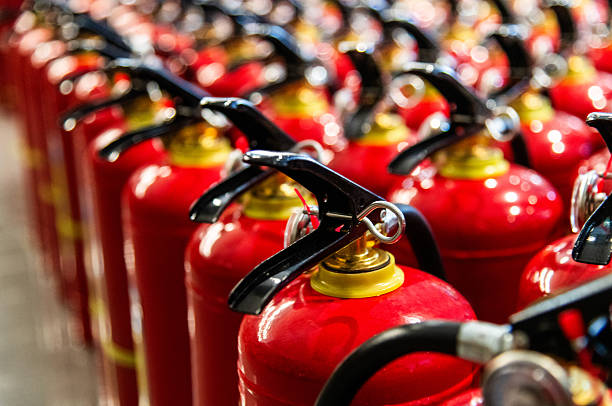
Fire extinguisher training helps employees understand one of the most important principles of workplace fire safety: personal safety & evacuation come before protecting property. While portable extinguishers can help control a very small fire in its early stages, employees need to recognise when intervention may be appropriate & when immediate evacuation is the safer response.
For Perth workplaces, effective training should cover extinguisher awareness, fire recognition, evacuation procedures & clear decision-making. Businesses reviewing Fire Extinguishers Perth requirements should therefore consider staff knowledge alongside the availability, location & maintenance of the equipment itself.
Fire Extinguishers Are Not a Substitute for Evacuation
Portable fire extinguishers are designed to deal with certain small fires, but their presence does not mean employees should automatically attempt to extinguish every fire.
When an alarm is raised or a fire is discovered, the priority should be ensuring people can leave the area safely. Employees should understand their workplace emergency procedures, know the location of exits & assembly areas, and follow directions given by designated emergency personnel or wardens.
Trying to fight a developing fire can expose an employee to smoke, heat, toxic gases & the possibility of becoming trapped.
Training therefore needs to establish clear limits around when extinguisher use may be considered.
When May an Employee Consider Using an Extinguisher?
An employee should only consider using an extinguisher when the circumstances are appropriate, they have received relevant instruction & they can do so without placing themselves or others at unnecessary risk.
Several factors should be considered.
The Fire Is Small & Contained
Portable extinguishers are intended primarily for fires in their early stages. A small fire contained to a limited area may potentially be manageable with the correct extinguisher.
If flames are spreading rapidly, reaching walls or ceilings, involving several items or producing significant smoke, employees should move away from the area & follow evacuation procedures.
The Correct Extinguisher Is Available
Different fires require different extinguishing agents.
Employees should understand that an extinguisher cannot simply be selected because it is nearby. The equipment must be suitable for the type of material involved in the fire.
Common workplace risks may involve:
- Electrical equipment
- Cooking oils & fats
- Paper, cardboard & timber
- Flammable liquids
- Machinery & equipment
- Combustible materials
Fire safety training should help employees recognise basic extinguisher classifications & understand why using an unsuitable extinguisher can increase the danger.
Businesses sourcing fire safety equipment Perth should also ensure equipment selection reflects the specific hazards present within their workplace.
There Must Be a Safe Escape Route
One of the most important considerations before attempting to extinguish a fire is the employee’s position in relation to an exit.
An employee should avoid placing themselves in a situation where the fire could move between them & their escape route.
Where extinguisher use is considered appropriate, the person should maintain a clear path behind them leading towards a safe exit. If the fire intensifies, smoke conditions change or the extinguisher is ineffective, they need to be able to withdraw immediately.
Fire extinguisher training should reinforce that employees should never allow themselves to become trapped while trying to protect equipment, stock or property.
When Should Employees Not Attempt to Fight a Fire?
Recognising when not to intervene is a major part of effective workplace fire training.
Employees should generally withdraw & evacuate if:
- The fire is spreading quickly
- Heavy smoke is developing
- The source of the fire cannot be identified
- Hazardous or unknown substances are involved
- An appropriate extinguisher is unavailable
- The employee has not received relevant instruction
- The extinguisher is ineffective
- Heat prevents a safe approach
- There is no clear escape route
- The employee feels unsafe attempting to intervene
Employees should never feel that they are expected to take unnecessary risks because firefighting equipment is available.
Smoke Can Be More Dangerous Than the Flames
Employees sometimes focus on the visible flames without appreciating how quickly smoke conditions can become dangerous.
Smoke can reduce visibility, make evacuation difficult & expose occupants to harmful combustion products. A fire that initially appears small can also increase rapidly as surrounding materials ignite.
If smoke begins filling an area, employees should not remain inside simply because an extinguisher is available.
The safer decision may be to evacuate, raise the alarm & allow emergency services to deal with the incident.
Extinguisher Awareness Should Be Part of Workplace Training
Employees do not necessarily need to become firefighting specialists, but they should understand the role & limitations of portable extinguishers.
Training may cover:
- Where extinguishers are located
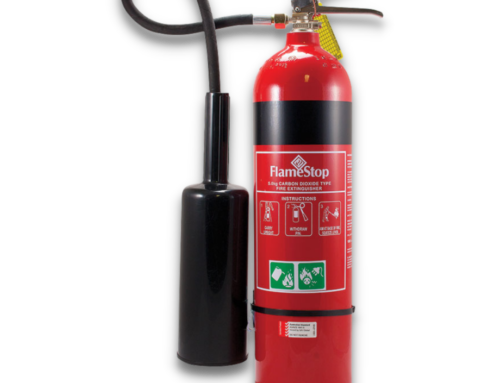
- How extinguisher types can be identified
- Which fire risks exist in the workplace
- When an extinguisher may be appropriate
- When evacuation should take priority
- How to maintain a safe withdrawal route
- What to do if the first attempt is unsuccessful
- How extinguisher use fits within the workplace emergency plan
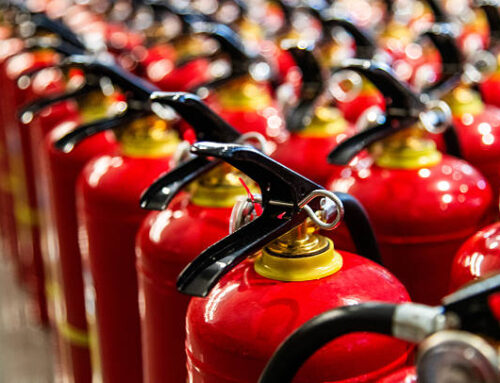
Businesses assessing Fire Extinguishers Perth arrangements should consider whether staff can locate the equipment easily & understand the circumstances in which it may or may not be used.
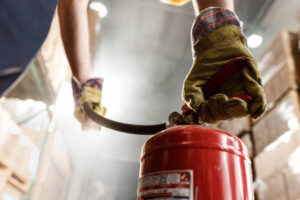
Fire Extinguisher Perth
Employees Need to Recognise Different Fire Risks
The appropriate response can depend heavily on the workplace.
A commercial kitchen has different hazards from an office, warehouse, workshop or industrial facility.
For example, kitchen employees may need awareness of fires involving cooking oils, while office staff may be more likely to encounter incidents involving electrical equipment, paper or appliances.
Warehouses can present additional concerns involving stored materials, packaging, machinery, batteries or flammable substances.
Training should therefore reflect the actual hazards present rather than relying solely on broad fire safety information.
Fire Extinguisher Training Should Support the Emergency Plan
Fire extinguisher instruction works best when it forms part of a broader workplace emergency strategy.
Employees should understand what happens from the moment a fire is discovered.
This may include raising the alarm, contacting emergency services when required, warning nearby occupants, following evacuation routes, reporting to assembly areas & accounting for staff and visitors.
Wardens or other nominated emergency personnel may have additional responsibilities depending on the workplace’s emergency arrangements.
When these responsibilities are clearly understood, employees can respond with less uncertainty during an emergency.
Training Should Address Human Decision-Making
Fire emergencies can develop quickly. Employees may instinctively try to protect equipment, stock or valuable business assets before considering their own safety.
Training should challenge this behaviour.
Property can be replaced. Employees should not delay evacuation or place themselves in danger attempting to protect business assets.
Managers should also avoid creating workplace expectations that pressure employees into firefighting activities they are not prepared or trained to undertake.
A clear safety culture gives employees permission to withdraw when conditions are unsafe.
Practical Familiarity Can Improve Emergency Readiness
Employees who have never handled a portable extinguisher may be uncertain about how the equipment operates during an emergency.
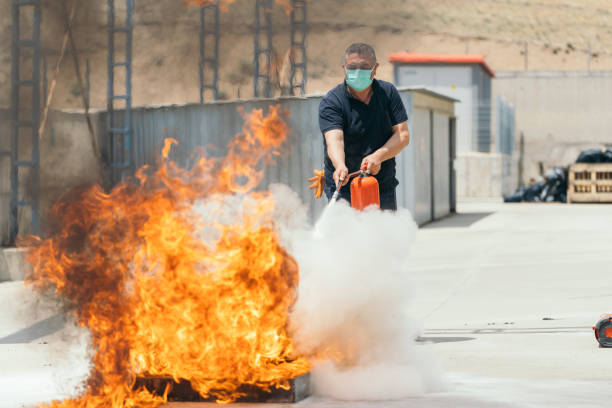
Where appropriate, practical fire safety training can improve familiarity with extinguisher controls, handling & basic operating principles.
The aim should not be to encourage unnecessary intervention. Instead, practical familiarity can help employees understand the equipment while reinforcing the circumstances under which evacuation remains the correct response.
Workplaces reviewing their fire safety equipment Perth arrangements can also use training as an opportunity to check whether employees know where equipment is located & whether access remains unobstructed.
Refresher Training Is Important
Fire safety knowledge can decline over time, particularly where extinguishers are rarely used in normal business operations.
Workplaces also change.
New employees may join the business, equipment may be relocated, floor layouts may change & different hazards may be introduced.
Refresher training can help maintain awareness of:
- Evacuation procedures
- Fire extinguisher locations
- Workplace fire risks
- Assembly areas
- Emergency responsibilities
- Changes to building layouts
- Employee safety priorities
Training should also form part of relevant employee induction so new personnel understand emergency expectations from the beginning of their employment.
A Fire Extinguisher Should Never Create False Confidence
Having fire extinguishers installed is an important part of workplace fire preparedness, but equipment alone cannot determine whether an employee can safely control a fire.
Employees need to assess the conditions around them.
A small incident can change quickly. Heat, smoke, spreading flames or uncertainty about the materials involved are all reasons to withdraw rather than continue attempting to fight the fire.
Good fire extinguisher training therefore focuses as much on recognising limitations as it does on operating equipment.
Building Safer Workplace Fire Response
Effective fire extinguisher training gives employees a clear framework for making safer decisions during the early stages of a fire.
Employees should understand the equipment available to them, recognise common workplace fire risks & know that evacuation always takes priority when conditions become unsafe.
For Perth businesses, combining suitable extinguishers, clear emergency procedures, employee training, accessible exits & regular workplace fire safety reviews can strengthen overall emergency preparedness.
The key message is straightforward: employees should only consider using a fire extinguisher when the fire is small, the correct equipment is available, they understand how to use it & they have a safe route of escape. When any of those conditions are missing, evacuation should take priority.


Leave A Comment