


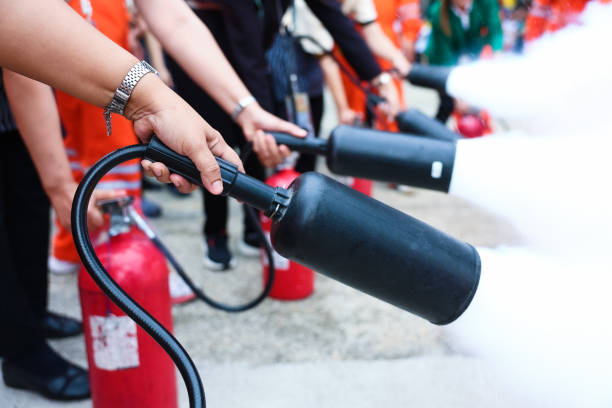
Fire safety in aged care homes, hospitals, medical centres & healthcare facilities requires planning that accounts for occupants who may not be able to evacuate independently. Residents and patients may have mobility limitations, cognitive impairment, medical dependencies or conditions that make rapid movement unsafe.
For these environments, effective fire safety depends on trained staff, clear emergency responsibilities, appropriate evacuation strategies & accessible fire safety equipment. Regular Fire Safety Training Perth helps healthcare teams understand how to respond when occupants require additional assistance during an emergency.
Why Healthcare Fire Safety Requires Specific Planning
A standard workplace evacuation normally assumes that most occupants can recognise an alarm, follow instructions & leave the building independently. This may not be possible in aged care or healthcare environments.
Staff may need to assist people who:
- Use wheelchairs, walkers or other mobility aids
- Are confined to beds
- Have dementia or cognitive impairment
- Have hearing or vision limitations
- Depend on medical equipment
- Require continuous clinical supervision
- Become confused or distressed during emergencies
Fire emergency procedures therefore need to consider both the building environment & the individual needs of patients and residents.
Evacuating Vulnerable Occupants
Moving vulnerable occupants safely requires staff to understand who may need assistance & what type of assistance is appropriate.
Facilities should identify residents or patients who cannot evacuate without support. Emergency plans can then allocate staff responsibilities for assisting these individuals.
Depending on the facility, evacuation equipment may include evacuation sheets, chairs, mobility aids or other devices intended to help move occupants safely.
Staff should know where this equipment is located & how it should be used before an emergency occurs. Trying to learn how specialised evacuation equipment works during an active fire can delay the response.
Understanding Staged Evacuation
In many healthcare & aged care environments, evacuating everyone from the building immediately may not always be practical.
A staged evacuation strategy may involve moving occupants progressively from areas of higher risk to safer locations.
Depending on the building and emergency procedures, this can include horizontal evacuation, where occupants are moved into another protected section on the same level before further evacuation becomes necessary.
This approach can be particularly important for residents or patients who cannot use stairs easily or whose medical conditions make rapid movement difficult.
Staff training should explain the facility’s evacuation zones, designated safe areas, emergency exits & procedures for progressing to further stages when required.
Staff Coordination During an Emergency
Effective fire response depends on staff working together rather than responding independently.
Facilities should establish clearly defined emergency roles so employees understand what is expected when an alarm activates.
Responsibilities may include:
- Raising the alarm
- Contacting emergency services
- Checking designated rooms or areas
- Assisting residents or patients
- Operating evacuation equipment
- Directing visitors
- Closing doors where appropriate
- Reporting to designated assembly or control points
- Providing information to emergency services
Regular drills help staff practise these responsibilities under controlled conditions.
Healthcare facilities operating around the clock should also consider staffing differences between daytime, evening & overnight periods. Emergency procedures need to remain practical when fewer employees are present.
Fire Wardens & Emergency Responsibilities
Fire wardens and other nominated emergency personnel have an important coordination role.
They may be responsible for confirming evacuation progress, directing staff, checking designated areas & communicating important information during an emergency.
However, fire safety should not depend entirely on one or two nominated people. All employees should understand basic alarm procedures, evacuation routes & their responsibilities when immediate action is required.
Structured Fire Safety Training Perth can help ensure permanent employees, casual staff & other relevant personnel understand the facility’s emergency procedures.
Supporting Residents With Dementia or Cognitive Impairment
Fire alarms, smoke, emergency lighting & unfamiliar instructions may cause considerable confusion for people living with dementia or cognitive impairment.
Staff may need to communicate calmly, provide simple instructions & physically guide residents towards designated safe areas.
Facilities should consider these needs when conducting evacuation drills. Training should help employees recognise that different residents may respond differently to alarms and emergency situations.
Knowing residents’ individual support requirements can make evacuation more organised while reducing unnecessary distress.
Medical Equipment & Clinical Considerations
Healthcare environments may contain oxygen equipment, electrical medical devices, medication storage areas & specialised clinical systems.
Emergency procedures should consider how these factors could affect evacuation.
Staff should understand which actions fall within their responsibilities & which equipment should only be handled by appropriately trained personnel.
Patient safety remains important during evacuation, but employees should not place themselves at unnecessary risk while attempting to protect equipment or property.
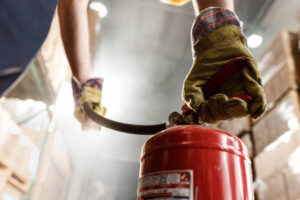
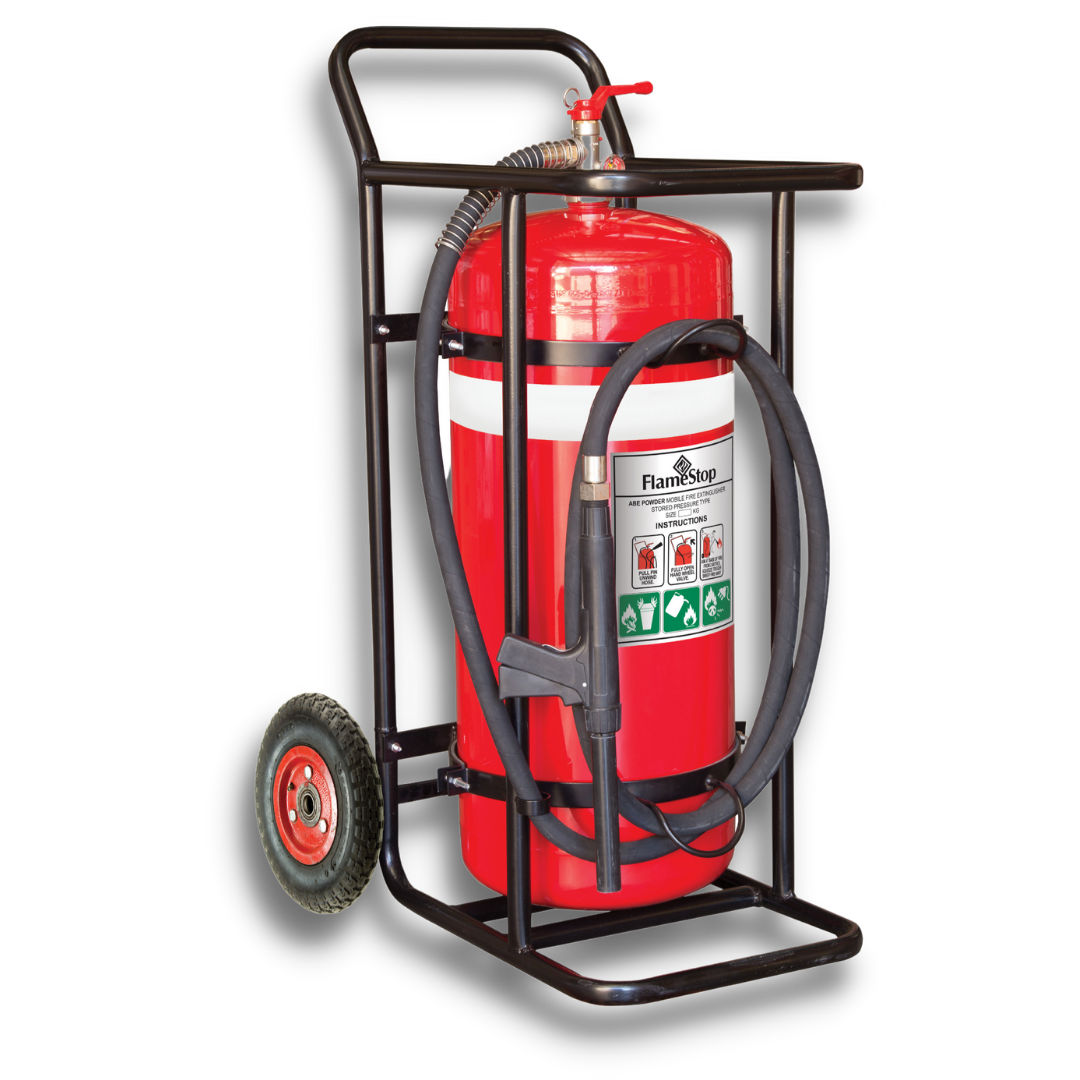
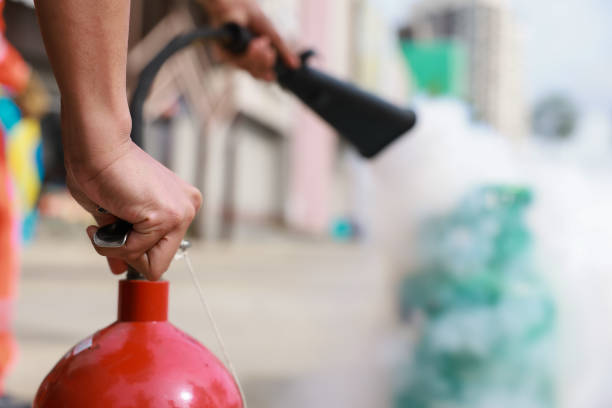
Fire Extinguisher Perth
Fire Safety Equipment in Healthcare Facilities
Training should also cover the location & basic purpose of relevant fire safety equipment.
Facilities may contain:
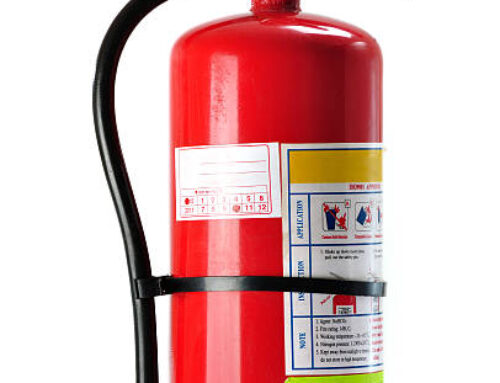
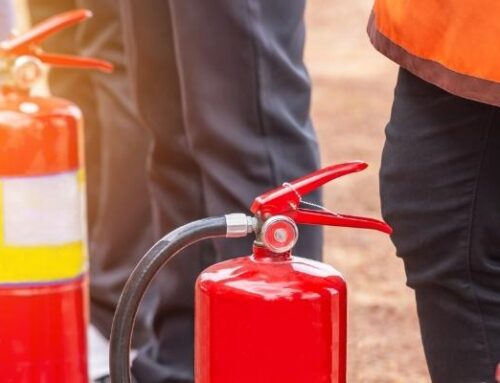
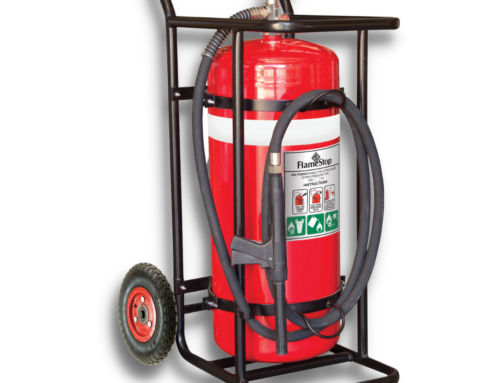
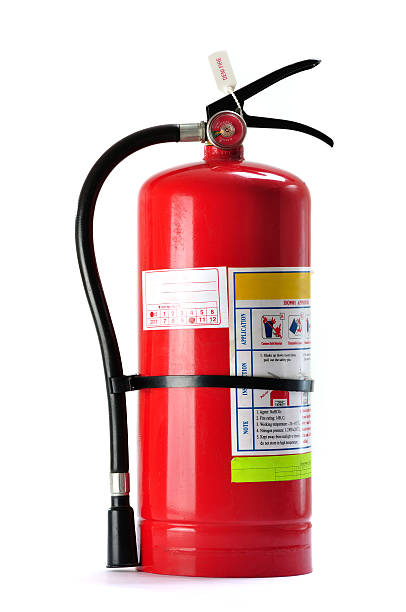
- Fire extinguishers
- Fire blankets
- Fire hose reels
- Smoke detection systems
- Fire alarm systems
- Emergency lighting
- Exit signage
- Fire doors
- Evacuation equipment
Appropriate Fire safety Equipment Perth should remain accessible, correctly positioned & maintained according to the requirements applying to the facility.
Employees should understand which equipment they are authorised and trained to use. Evacuation and occupant safety should remain the priority when conditions become unsafe.
Regular Drills Build Staff Familiarity
Fire evacuation procedures are easier to follow when employees have previously practised them.
Regular drills can help facilities identify practical problems such as blocked routes, unclear staff responsibilities, communication issues or difficulties assisting particular residents.
Drills can also test whether staffing levels are sufficient to carry out planned emergency responsibilities.
Where problems are identified, emergency procedures should be reviewed rather than simply repeating the same exercise.
Inducting New & Temporary Staff
Healthcare facilities often rely on employees working different shifts, agency workers, contractors & temporary personnel.
Fire safety induction should therefore form part of the onboarding process.
New personnel should be shown emergency exits, alarm points, evacuation routes, assembly locations & important fire safety equipment.
They should also understand who coordinates an emergency response & where additional instructions can be obtained.
Maintaining Clear Evacuation Routes
Even well-trained employees can struggle to evacuate vulnerable occupants if corridors or exits are obstructed.
Healthcare facilities should keep evacuation routes clear of storage, equipment, furniture & other obstacles.
Particular attention should be given to corridors used for wheelchairs, beds or evacuation equipment because additional space may be required to move occupants safely.
Exit signage & emergency lighting should also remain visible and functional.
Fire Safety Requires Training & Equipment to Work Together
Fire safety in aged care & healthcare settings depends on preparation before an emergency occurs.
Training gives employees the knowledge to recognise alarms, coordinate evacuation & assist vulnerable occupants. Appropriate Fire safety Equipment Perth supports that response by providing the detection, warning, evacuation & firefighting resources required within the facility.
When training, emergency planning & equipment management work together, healthcare organisations are better prepared to protect patients, residents, staff & visitors.
Building a Safer Healthcare Environment
Aged care homes & healthcare facilities have responsibilities that extend beyond ordinary workplace evacuation. Employees may need to move people who cannot walk independently, manage residents experiencing confusion & coordinate an emergency while maintaining essential care.
Regular training, clear responsibilities, staged evacuation planning & accessible fire safety equipment provide the foundation for an organised response.
Facilities that review their emergency procedures, train staff consistently & maintain appropriate fire safety systems can improve readiness while supporting the safety of vulnerable occupants throughout their premises.

Leave A Comment