


Fire safety training plays an important role in helping businesses recognise potential fire hazards before they develop into emergencies. Electrical faults, combustible materials, ignition sources & poor storage practices can increase workplace fire risks when employees do not understand what to look for.
By investing in Fire Training Perth, businesses can improve employee awareness, encourage safer working practices & support compliance with workplace health and safety obligations.
Identifying Electrical Fire Hazards
Electrical equipment is a potential ignition source in offices, warehouses, workshops & commercial premises. Faulty wiring, overloaded power outlets & damaged electrical appliances can create fire risks.
Fire safety training helps employees recognise warning signs, including:
- Damaged power cables & exposed wiring.
- Overloaded power boards & extension leads.
- Unusual burning smells near electrical equipment.
- Overheating machinery & electrical appliances.
- Equipment that frequently trips circuit breakers.
Employees should understand the importance of reporting electrical concerns immediately rather than attempting repairs without appropriate qualifications.
Recognising Combustible Materials
Many workplaces contain combustible materials such as cardboard, paper, timber, packaging & textiles. These materials can contribute to fire development when stored near heat or ignition sources.
Training helps staff identify areas where combustible materials may accumulate, particularly around electrical equipment, machinery & storage facilities.
Businesses should also ensure that combustible waste is regularly removed & that materials are stored according to their fire risk characteristics.
Understanding Common Ignition Sources
Identifying ignition sources is essential for reducing workplace fire risks.
Common ignition sources include heating equipment, electrical machinery, welding activities, cooking appliances & hot surfaces.
Employees who understand these risks are better equipped to identify unsafe conditions. For example, keeping packaging away from heaters or ensuring welding activities are properly controlled can reduce the likelihood of accidental fires.
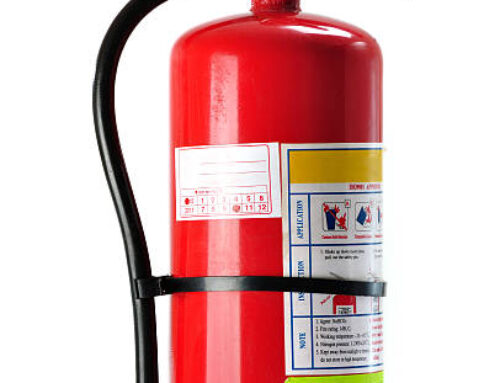
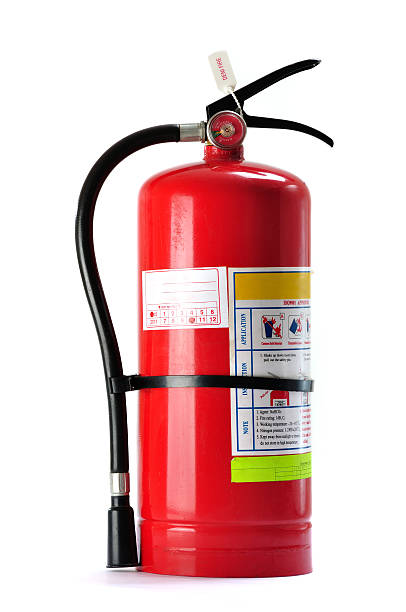
A Fire Safety supplier Perth can also assist businesses in selecting suitable extinguishers, fire blankets & other safety equipment according to the hazards present.
How Poor Storage Increases Fire Risks
Poor storage practices can create additional fire hazards, particularly in warehouses, retail premises & industrial environments.
Examples include blocked emergency exits, combustible materials stored near electrical switchboards & poorly organised chemical storage areas.
Workplace fire safety training encourages employees to:
- Keep emergency exits & evacuation routes clear.
- Maintain access to fire extinguishers & hose reels.
- Store flammable substances in appropriate locations.
- Separate combustible materials from ignition sources.
- Report unsafe storage arrangements to supervisors.
These practices help businesses maintain safer premises & improve emergency preparedness.

Improving Workplace Fire Hazard Reporting
Fire safety training also teaches employees how to report potential hazards before an incident occurs.
Businesses should establish clear reporting procedures that allow staff to notify supervisors about damaged equipment, unsafe storage & other fire risks.
Regular workplace inspections, employee feedback & documented corrective actions can help management identify recurring hazards.
Under Western Australia’s workplace health and safety framework, businesses must provide appropriate information, training & instruction to workers based on workplace risks.
worksafe.wa.gov.au+1
The Importance of Fire Safety Equipment Awareness
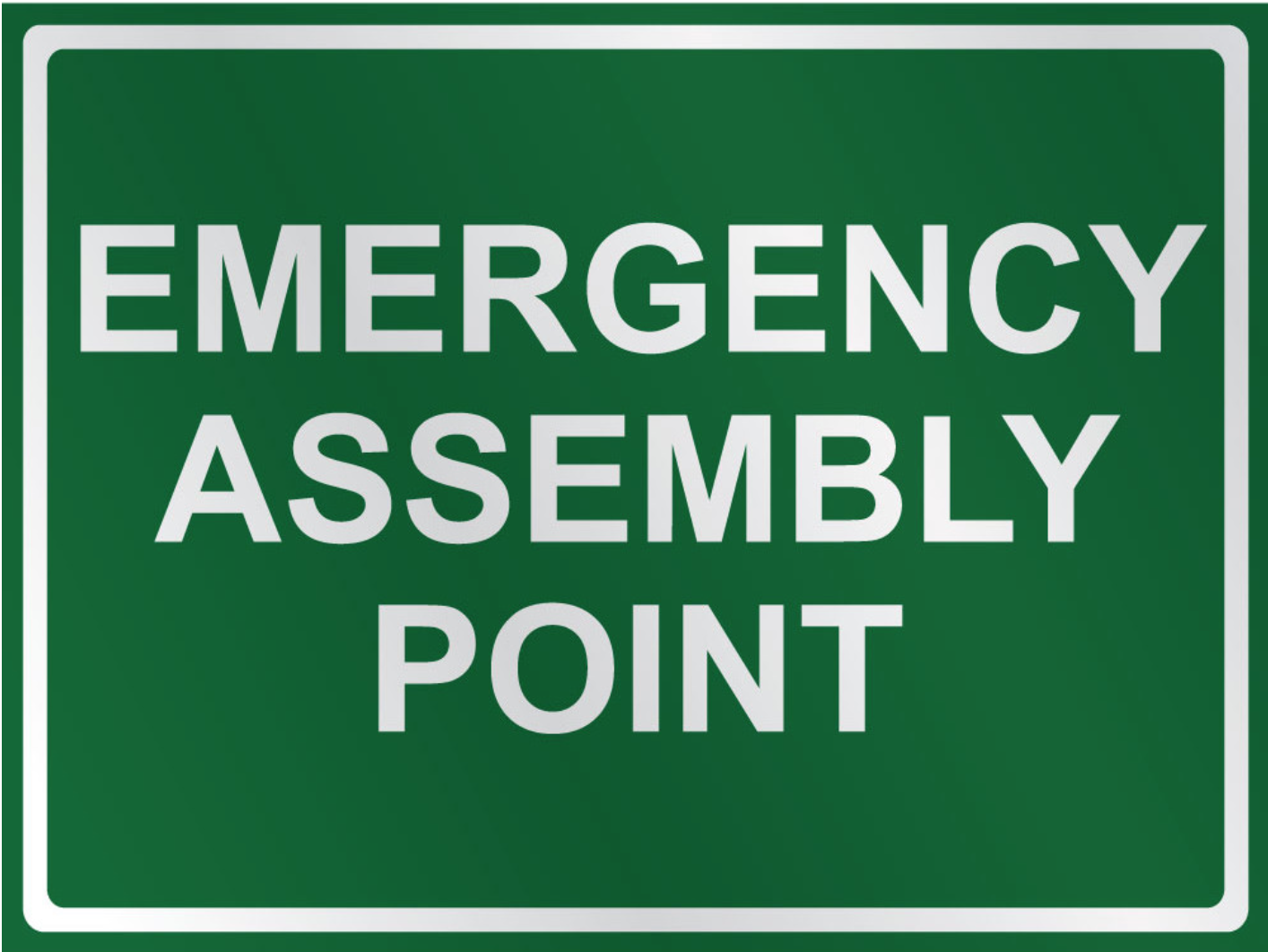
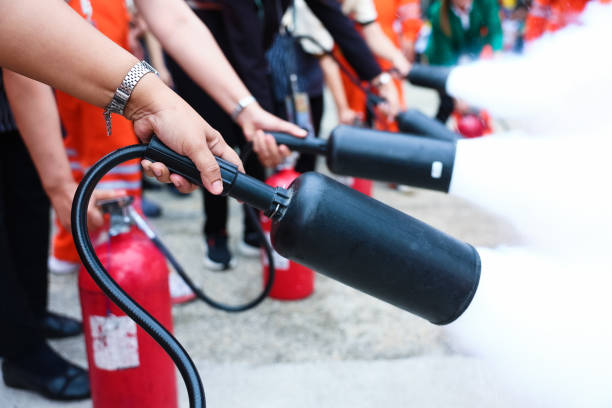
Recognising fire hazards is only one part of workplace fire safety. Employees should also understand the purpose of fire extinguishers, fire blankets, emergency signage & evacuation equipment.
Working with a Fire Safety supplier Perth can help businesses obtain equipment suited to their workplace risks.
However, providing equipment alone is not sufficient. Employees must know where safety equipment is located, how to report defects & when evacuation takes priority over attempting to control a fire.
Conclusion
Fire safety training helps businesses develop a workforce capable of identifying electrical faults, combustible materials, ignition sources & unsafe storage conditions.
Investing in Fire Training Perth supports hazard awareness, improves reporting procedures & strengthens workplace emergency preparedness.
By combining employee training, regular hazard assessments & appropriate fire safety equipment, businesses can reduce preventable fire risks & maintain safer working environments.


Leave A Comment