



Business expansion brings changes to workplace operations, staffing, building layouts and fire safety responsibilities. Whether a company moves into larger premises, adds new machinery, increases its workforce or opens additional locations, existing fire safety arrangements may no longer meet its operational needs.
For businesses in Western Australia, reviewing fire protection equipment, evacuation procedures and fire safety training Perth requirements is an important part of managing workplace growth. Understanding how expansion affects fire safety helps business owners identify potential hazards, maintain suitable equipment and support compliance with applicable Australian regulations.
Why Business Growth Changes Fire Safety Requirements
Fire safety requirements depend on several factors, including building size, occupancy, business activities, equipment and the materials stored on site. As these factors change, businesses may need to reassess their existing fire protection arrangements.
For example, a small office expanding into additional commercial space may require changes to emergency lighting, exit signage and evacuation procedures. A warehouse increasing its storage capacity may need to review extinguisher coverage, fire detection systems and access to emergency exits.
Common changes that affect workplace fire safety include:
- Increased floor space and additional operational areas.
- More employees, customers and visitors.
- New electrical equipment and machinery.
- Greater quantities of combustible materials.
- Changes to internal layouts and evacuation routes.
- Additional branches, workshops or storage facilities.
In Western Australia, fire safety requirements are influenced by the National Construction Code (NCC), applicable Australian Standards, building classifications and relevant state legislation.
1. Larger Premises May Require Additional Fire Extinguishers
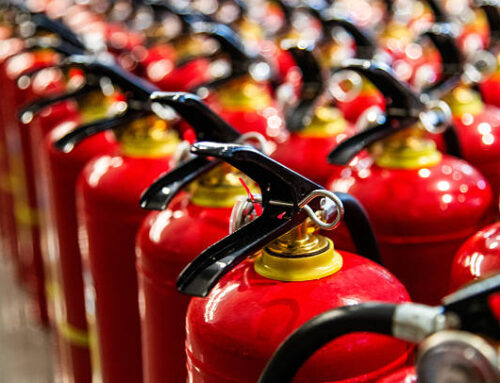
When businesses increase their floor space, their existing fire extinguishers may no longer provide suitable coverage.
Fire extinguisher requirements depend on the building layout, accessibility, fire hazards and the type of activities performed within each area.
For example, expanding a commercial kitchen introduces different fire risks from those found in standard office environments. Cooking oils and fats require suitable extinguishing equipment, while workshops and warehouses may present electrical or combustible material hazards.
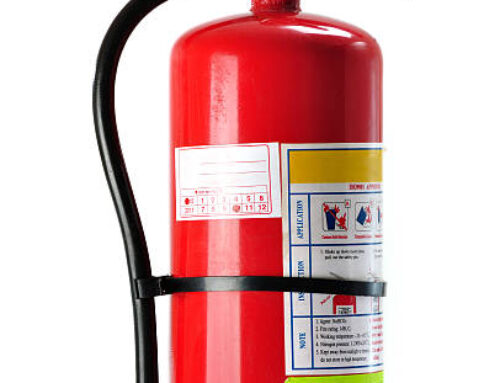
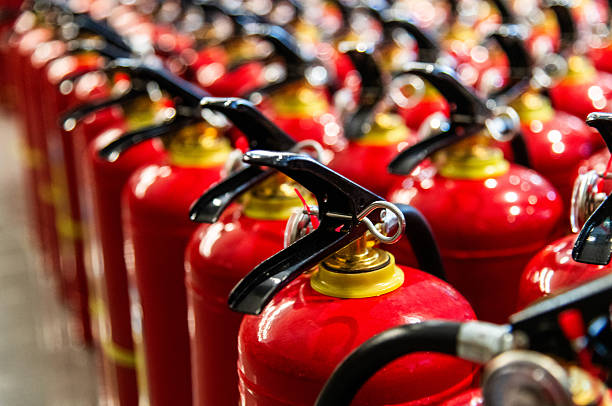
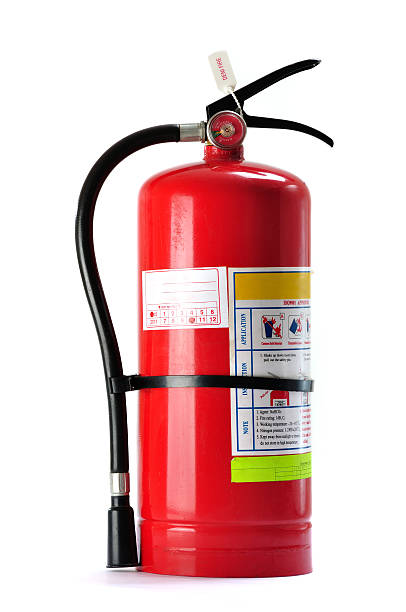
Businesses should review extinguisher locations, equipment types, accessibility, signage and maintenance requirements when expanding their premises.
A professional assessment can help determine whether additional equipment or changes to existing installations are necessary.
2. Emergency Lighting & Exit Signage May Need Upgrading
Emergency lighting and exit signage help occupants identify evacuation routes when normal lighting fails.
Expanding commercial premises can introduce new corridors, internal partitions, storage areas and access points. These changes may affect the suitability of existing emergency lighting arrangements.
For example, a retail business expanding into an adjoining tenancy may need additional emergency lighting or changes to illuminated exit signage.
Relevant considerations include the visibility of exits, lighting coverage along evacuation routes and the suitability of existing emergency systems.
Any required upgrades should be assessed against applicable building requirements and relevant Australian Standards, including the AS/NZS 2293 series where applicable.
3. Fire Detection & Alarm Systems May Require Changes
As building layouts and business activities change, existing fire detection and alarm systems may need to be reassessed.
Additional offices, production areas, storage rooms and building extensions can affect detector coverage and occupant warning arrangements.
Depending on the premises, changes may involve installing additional smoke or heat detectors, extending alarm coverage or upgrading existing systems.
Fire detection requirements vary according to building classification, occupancy, layout and operational hazards.
Businesses should engage appropriately qualified professionals to assess fire detection arrangements before completing major renovations or changes in building use.
4. Growing Workforces Increase Evacuation Responsibilities
Employing additional staff changes how businesses manage workplace emergencies.
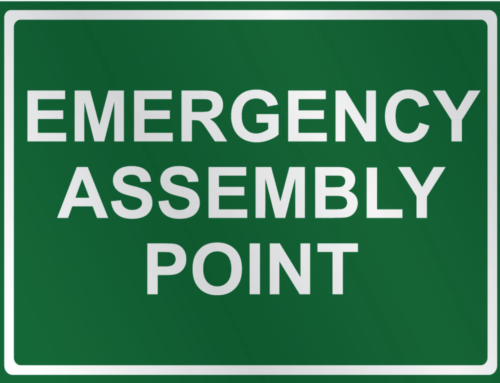
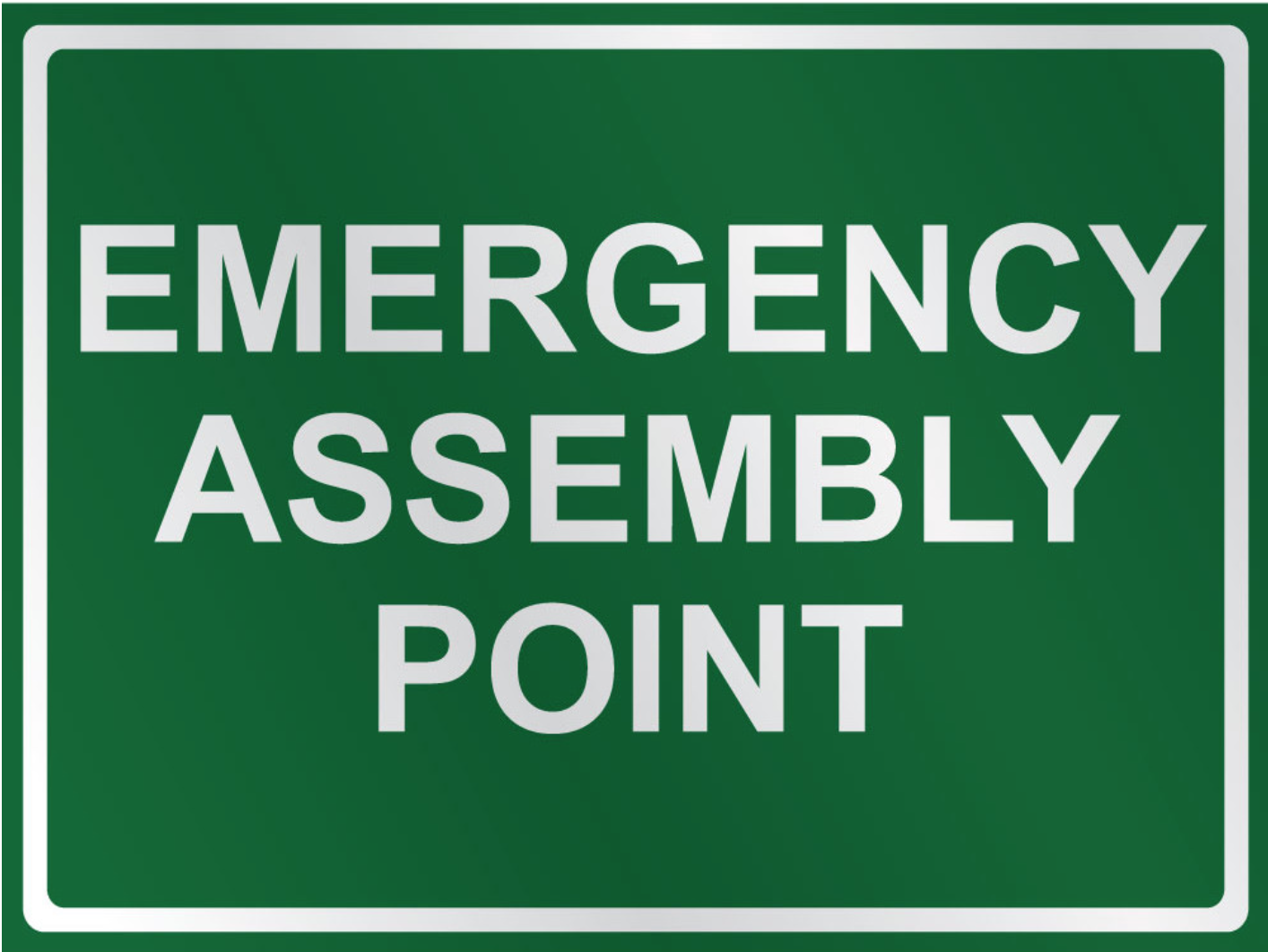
A larger workforce may require revised evacuation procedures, additional emergency personnel and updated assembly arrangements. Businesses introducing shift work must also consider how emergencies will be managed outside standard operating hours.
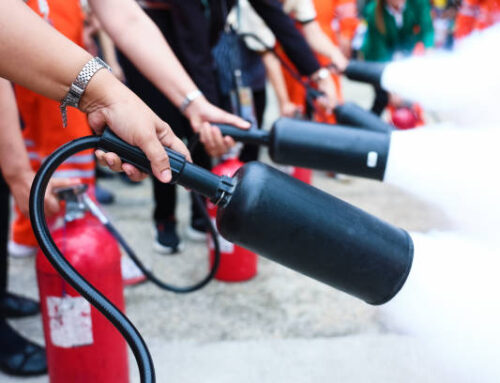
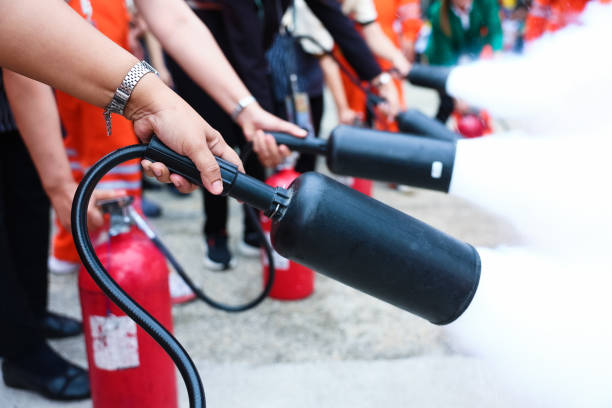
Providing appropriate fire safety training Perth programmes helps employees understand evacuation procedures, emergency communication, workplace hazards and their responsibilities during an incident.
Training requirements should reflect the workplace environment and the tasks employees perform. Relevant instruction may include emergency evacuation, fire extinguisher awareness, fire warden responsibilities and the safe response to workplace fire hazards.
Businesses should review employee training whenever significant operational changes occur.
5. New Machinery & Equipment Can Introduce Additional Fire Hazards
Expanding businesses frequently invest in machinery, electrical systems and technology to support increased production or service delivery.
However, new equipment can introduce fire hazards that were not present in the original workplace.
Manufacturing facilities may introduce heat-generating machinery, welding equipment or additional electrical loads. Warehouses may increase combustible stock quantities, while offices may install larger server systems or battery-powered equipment.
These changes can influence equipment selection, fire detection arrangements and emergency response planning.
Businesses should assess the hazards associated with new equipment before introducing it into daily operations.
6. Multiple Business Locations Require Individual Fire Safety Assessments
Opening additional branches, warehouses or commercial premises creates further fire safety management responsibilities.
Each location may have different building classifications, floor plans, occupancy levels and operational hazards. Consequently, the equipment required at one premises may not be suitable for another.
Businesses operating multiple locations should maintain accurate records of fire protection equipment, inspection schedules, evacuation arrangements and staff training.
Working with a reliable Fire Equipment Supplier Perth can assist contractors and procurement teams with sourcing extinguishers, fire blankets, emergency lighting, equipment signage and replacement products across commercial sites.
However, equipment purchasing decisions must reflect the specific requirements of each building rather than relying solely on standardised product selections.

Fire extinguishers Perth
7. Fire Safety Equipment Maintenance Becomes More Important
As businesses increase their fire protection equipment inventory, maintaining inspection and servicing records becomes increasingly important.
In Western Australia, regulation 48A of the Building Regulations 2012 establishes maintenance obligations for prescribed safety measures in existing Class 2 to Class 9 buildings. These measures include firefighting equipment, emergency lighting and fire detection systems.
Businesses should ensure that newly installed fire safety equipment is included in their maintenance schedules.
Records should identify equipment locations, inspection dates, servicing results, identified defects and replacement requirements.
Australian Standard AS 1851 provides guidance for the routine servicing of fire protection systems and equipment, where applicable.
Maintaining accurate documentation supports equipment management and helps businesses identify outstanding maintenance requirements across expanding premises.
8. Fire Safety Planning Should Begin Before Business Expansion
Fire safety requirements should be considered during the early planning stages of business expansion.
Renovations, new building extensions and changes in operational activities can introduce additional compliance responsibilities.
Businesses should review proposed changes with suitably qualified professionals before completing major alterations.
Early planning allows organisations to incorporate necessary fire protection equipment, emergency lighting, detection systems and employee training into expansion budgets.
It also reduces the likelihood of discovering equipment deficiencies after new facilities become operational.
Safe Work Australia recommends reviewing workplace emergency plans when premises, workforce arrangements or business activities change.
9. Selecting a Fire Equipment Supplier for Expanding Businesses
Businesses and fire protection contractors require access to appropriate products when installing, upgrading or replacing workplace fire protection equipment.
Working with an established Fire Equipment Supplier Perth can support procurement planning for commercial renovations, building extensions and multi-site operations.
Common equipment requirements include portable fire extinguishers, fire blankets, emergency exit signage, emergency lighting products, extinguisher brackets, cabinets and safety identification signage.
Product selection should be based on confirmed building requirements and the specific fire hazards present.
For businesses managing several premises, coordinated procurement can help maintain equipment records and support planned replacement schedules.
Fire Safety Equipment & Training for Perth Businesses
e Fire and Safety supports businesses requiring fire safety products and workplace fire safety training in Perth.
As organisations grow, reviewing both their physical fire protection equipment and employee emergency preparedness helps maintain an appropriate workplace safety framework.
Fire safety equipment provides resources for responding to specific incidents, while employee training helps workers understand evacuation procedures, emergency responsibilities and the importance of safe workplace practices.
Businesses should consider both elements when reviewing their fire safety arrangements during expansion.
Conclusion
Business expansion can significantly change workplace fire safety requirements. Larger premises, additional employees, new machinery and increased storage capacity can introduce hazards that existing protection arrangements may not adequately address.
Regularly reviewing fire extinguishers, emergency lighting, detection systems, maintenance schedules and evacuation procedures helps businesses manage these changes.
Fire safety planning should form part of every significant workplace expansion, with equipment selection and employee training aligned with the building’s operational requirements.
For Perth businesses reviewing their fire protection arrangements, e Fire and Safety provides fire safety equipment and training services to support workplace emergency preparedness and ongoing safety management.

Leave A Comment