


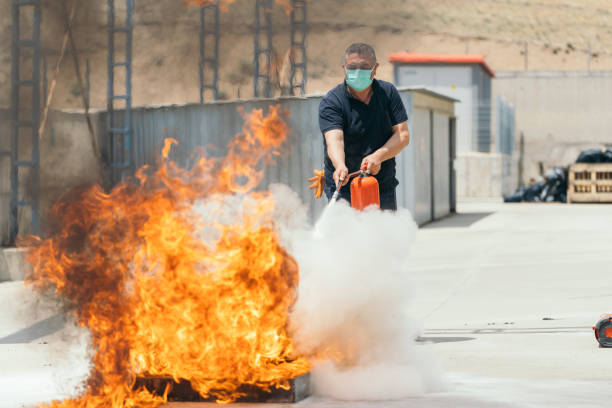
Office environments may appear low risk compared with warehouses, workshops or industrial sites, but they still contain several common fire hazards. Electrical equipment, kitchen appliances, overloaded power outlets, combustible materials & blocked evacuation routes can all contribute to workplace fire incidents.
Effective Fire Safety Training Perth helps office employees recognise these risks, respond correctly during an emergency & understand their responsibilities before a fire occurs. Training should be practical, relevant to the office environment & supported by suitable fire safety equipment.
Electrical Equipment & Office Fire Risks
Modern offices rely heavily on computers, monitors, printers, chargers, extension leads & other powered equipment. Damaged cables, faulty appliances & poorly maintained electrical devices can create overheating, sparks or short circuits.
Employees should be trained to report damaged plugs, exposed wiring, unusual smells & equipment that becomes excessively hot. Electrical items should not be used if there are visible signs of damage or repeated electrical faults.
Portable appliances & office equipment should also be maintained in accordance with workplace safety requirements. Staff should understand that electrical problems should be reported rather than temporarily fixed with tape, adaptors or improvised connections.
Overloaded Power Outlets
Overloaded power boards & outlets are a common office risk. Problems can occur when several high-demand devices are connected to one outlet, multiple power boards are linked together or extension leads are used as permanent wiring.
Employees should understand the importance of using power outlets correctly & avoiding daisy-chaining power boards. Office layouts should provide enough fixed outlets for normal equipment use without relying on excessive adaptors.
Fire safety training should also explain when equipment needs to be disconnected & who should be notified if an outlet becomes hot, discoloured or damaged.
Office Kitchens & Break Rooms
Staff kitchens can present additional fire risks because they often contain kettles, microwaves, sandwich presses, coffee machines & other heating appliances. Cooking appliances may be left unattended, food can overheat & grease or food residue can increase risk around certain equipment.
Employees should know that kitchen appliances must be used according to instructions & switched off when required. Combustible materials such as paper towels, packaging & cleaning products should be kept away from heat sources.
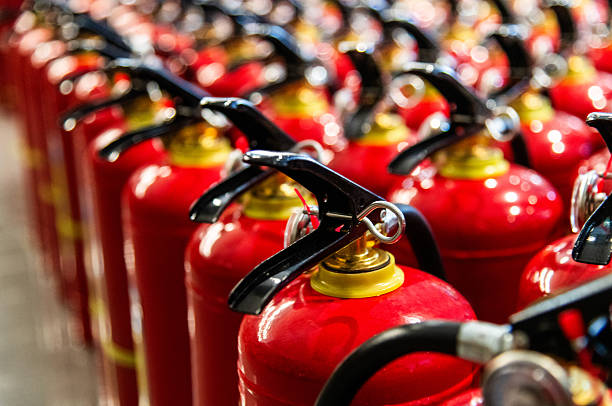
Where suitable equipment is provided, staff should also know the location of the nearest Fire extinguisher Perth & understand that extinguishers should only be used when it is safe to do so & when the person has received appropriate instruction.
Combustible Materials in Office Areas
Paper, cardboard, files, packaging & furniture can provide fuel for a fire. Storage areas, print rooms & archive rooms may contain larger amounts of combustible material than general office spaces.
These materials should be stored away from electrical switchboards, heaters & other possible ignition sources. Hallways, exits & fire equipment must also remain clear.
Employees should be encouraged to report storage practices that could obstruct access to emergency equipment or increase fire spread.
Evacuation Routes & Emergency Exits
Every employee should know how to leave the building safely during an emergency. Fire Safety Training Perth should cover evacuation routes, emergency exits, assembly areas & the location of fire doors.
Staff should understand that lifts should generally not be used during a fire evacuation unless the building’s emergency procedures specifically allow it. They should also know not to re-enter the building until authorised.
Evacuation diagrams should be visible & easy to understand. New staff, contractors & visitors may also need clear instructions, particularly in larger offices or multi-storey buildings.

Fire Extinguisher Perth
Fire Doors & Exit Access
Fire doors are designed to help slow the spread of smoke & fire. They should not be wedged open unless they are fitted with an approved automatic release system.
Boxes, office furniture & stored materials should never obstruct exit paths. Employees should understand that keeping these areas clear is part of everyday fire safety, not only something to consider during an emergency.
Using Fire Extinguishers Safely
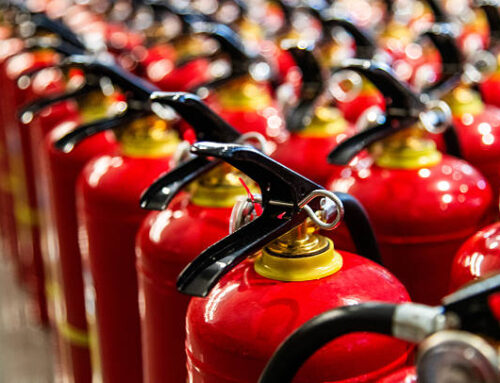
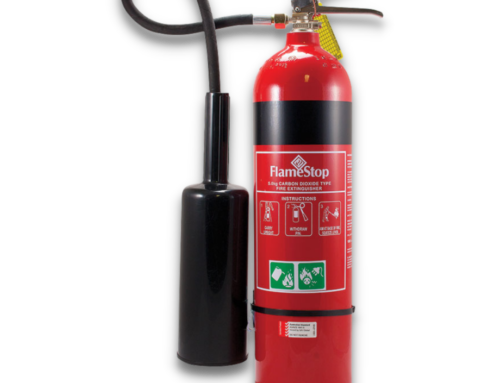
Office employees do not all need to become fire wardens, but they should understand the basic role of workplace fire equipment. A Fire extinguisher Perth may be provided for specific classes of fire, & using the wrong type can increase the danger.
Training should reinforce that evacuation & personal safety come first. Employees should only attempt to use an extinguisher if the fire is small, there is a clear escape route, the correct extinguisher is available & they are confident in how to use it.
Fire Wardens & Emergency Responsibilities
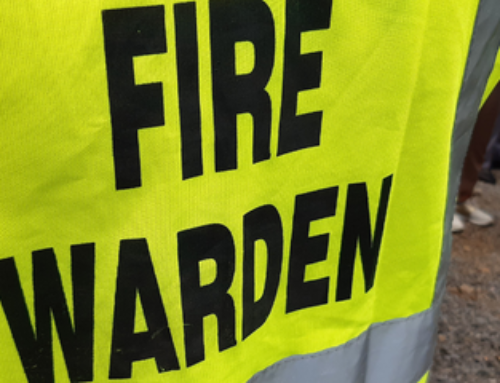
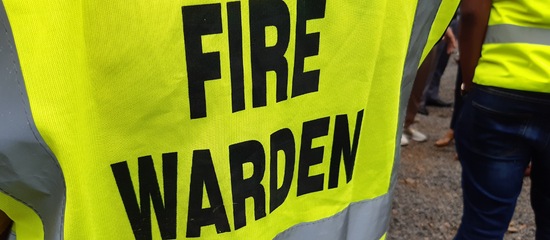
Designated fire wardens have additional responsibilities during an evacuation. These may include directing staff to exits, checking assigned areas when safe, assisting with evacuation procedures & reporting to the emergency control point.
General employees should know who the wardens are & follow their instructions during an emergency. Clear responsibilities help reduce confusion & improve evacuation efficiency.
Office-Specific Risks That Are Often Overlooked
Some office fire hazards are easy to miss because they form part of everyday work. Common examples include portable heaters under desks, chargers left connected continuously, damaged extension leads, storage near electrical equipment, unattended kitchen appliances & blocked access to extinguishers.
Hybrid work arrangements can also mean desks & work areas change frequently. Employers should ensure temporary workstations & shared spaces continue to meet the same fire safety standards as permanent areas.
Building a Safer Office Environment
Fire safety in an office depends on more than installing alarms & extinguishers. Employees need to understand common hazards, evacuation procedures & how their daily actions affect workplace risk.
Regular training, clear emergency information & suitable fire safety equipment help create a more prepared workplace. By making fire awareness part of normal office responsibilities, businesses can reduce avoidable hazards & improve their response if an emergency occurs.


Leave A Comment