


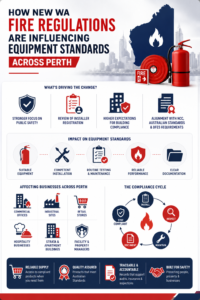
Fire safety standards across Western Australia are becoming more focused on accountability, system performance, qualified installation, and reliable maintenance. For Perth businesses, strata managers, facility operators, builders, and maintenance contractors, this means fire protection is no longer viewed as a simple supply-and-install requirement. It is now part of a broader compliance framework that considers whether equipment is suitable, correctly installed, accessible, tested, documented, and maintained throughout its service life.
The WA Government’s 2025 review into fire systems installers is a clear example of this shift. The review is examining installation and testing requirements for critical building fire systems in Western Australia and whether mandatory registration requirements are needed for public safety. This reflects increasing attention on who installs and tests fire systems, not only what equipment is used.
A Stronger Focus on Competent Installation
Newer regulatory discussions in WA are placing more emphasis on the competence of fire system installers and testers. This is important because even high-quality equipment can fail to meet its intended safety outcome if it is incorrectly selected, positioned, connected, commissioned, or maintained.
For Perth buildings, this affects equipment such as:
Fire hose reels
Fire blankets
Exit and emergency lighting
Detection and alarm systems
Sprinkler systems
Hydrants
Fire doors and passive fire protection components
The result is a stronger connection between product standards, installer capability, and ongoing compliance records.
Why Equipment Standards Are Becoming More Important
WA fire safety expectations are influenced by the National Construction Code, Australian Standards, DFES requirements, and building-specific risk profiles. DFES publishes guidance to assist building owners, designers, and the building industry with expectations for fire safety designs and installations in Western Australia.
This means businesses sourcing fire safety equipment Perth need to consider more than availability or price. Equipment must be suitable for the building class, occupancy type, risk exposure, and maintenance requirements.
For example, a warehouse storing combustible materials may require different extinguisher types and placement considerations compared with an office, retail store, commercial kitchen, workshop, aged care facility, or apartment complex.
AS 1851 and Routine Servicing Expectations
AS 1851-2012 remains central to how fire protection systems and equipment are inspected, tested, maintained, and documented. A WA Government fire safety document notes that AS 1851-2012 provides a systematic and uniform basis for inspection, testing, preventive maintenance, and survey programmes for fire safety systems and equipment.
This has a direct impact on equipment standards because products must be capable of being serviced, tagged, inspected, and documented in line with compliance expectations. Poor-quality, unsuitable, or non-compliant products create problems during routine maintenance and may need early replacement.
For Perth property owners and managers, compliance is therefore not only about installing equipment. It is about ensuring that each item can remain reliable, accessible, traceable, and serviceable over time.
How Perth Businesses Are Being Affected
The influence of WA fire regulation changes and reviews can be seen across multiple business sectors.
Commercial offices need compliant extinguishers, exit lighting, alarms, evacuation signage, and routine servicing records.
Industrial sites need equipment suited to higher-risk environments, including machinery, electrical risks, flammable materials, and hot work areas.
Retail premises need visible, accessible, and correctly positioned fire equipment that supports staff and customer safety.
Hospitality businesses must manage kitchen fire risks, emergency exits, fire blankets, extinguishers, and maintenance schedules.
Strata and apartment buildings need ongoing attention to alarms, hose reels, fire doors, extinguishers, evacuation pathways, and control panels.
These requirements are increasing demand for reliable supply channels, qualified advice, and products that align with Australian Standards.
The Role of Supply in Compliance
The fire safety market is also being affected. Suppliers are expected to provide products that support regulatory compliance, not just bulk availability. Businesses looking for fire safety equipment Perth services often need extinguishers, signs, brackets, cabinets, blankets, emergency lighting, and related fire protection products that meet recognised standards.
Supply is particularly important for electricians, fire technicians, builders, facility maintenance providers, and property service companies that need consistent access to compliant equipment across multiple jobs.
Reliable sourcing helps reduce delays, supports standardised product selection, and assists contractors in maintaining consistency across different Perth sites.
Documentation and Traceability Are Becoming More Valuable
Modern fire safety expectations increasingly depend on clear documentation. This includes installation records, service tags, inspection reports, maintenance logs, defect notices, and evidence that equipment is fit for purpose.
The ABLIS business information service describes AS 1851 as covering inspection, testing, preventive maintenance, and survey requirements to demonstrate that fire systems and equipment are achieving their designed performance standard.
This is why equipment traceability matters. If a product cannot be identified, verified, serviced, or matched to a compliance record, it can create risk during audits, insurance reviews, building inspections, or emergency preparedness checks.
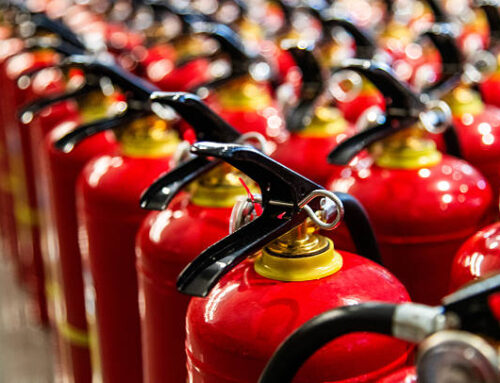
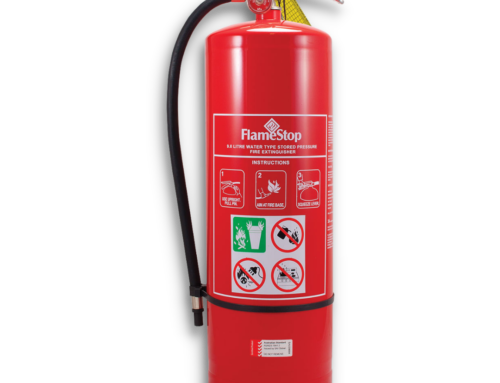
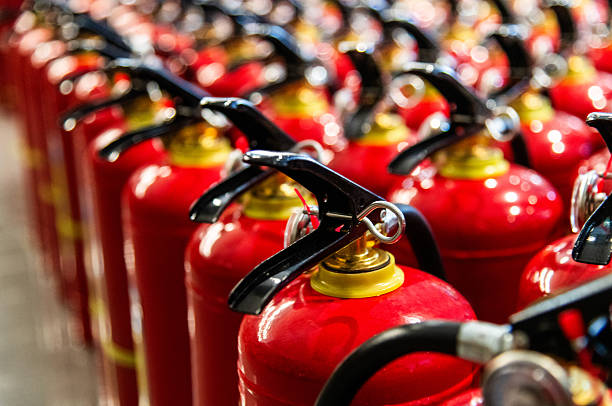
Fire extinguishers Perth
Product Selection Is Becoming More Risk-Based
Perth businesses are also moving towards risk-based fire equipment selection. This means choosing equipment based on the actual hazards present on site, rather than applying a one-size-fits-all approach.
Examples include:
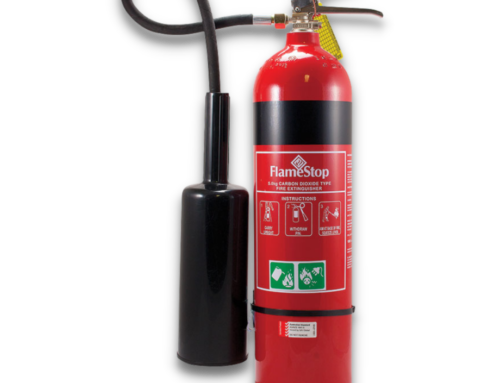
CO₂ extinguishers for specific electrical equipment risks
Wet chemical extinguishers for commercial kitchen environments
Foam or dry chemical extinguishers for certain flammable liquid risks
Fire blankets for food preparation areas
Emergency lighting for compliant evacuation pathways
Fire hose reels where required by building design and occupancy use
Clear fire signage to support visibility and access
This risk-based approach supports better compliance and practical emergency readiness.
Why Building Owners Need to Review Existing Equipment
Regulatory change does not only affect new buildings. Existing buildings may also need equipment reviews when use changes, tenancy layouts are altered, occupancy levels increase, or maintenance records reveal defects.
For example, an office converted into a training facility, medical tenancy, workshop, or hospitality space may require different fire safety considerations. Equipment that was suitable under one use may not remain suitable under another.
This is why regular reviews are important. Perth business owners should confirm whether their equipment remains appropriate for the building’s current use, layout, occupancy, and risk profile.
Impact on Contractors and Facility Managers
Contractors and facility managers are under greater pressure to ensure the products they install or maintain meet compliance requirements. This includes selecting suitable products, checking standards, maintaining accurate records, and ensuring equipment remains accessible.
For those sourcing Fire safety Perth, supplier reliability can affect job scheduling, compliance consistency, and client confidence. Delays, incorrect product selection, or inconsistent supply can create problems for fire technicians, electricians, builders, and maintenance teams.
What Perth Businesses Should Prioritise
To respond to changing WA fire safety expectations, businesses should prioritise:
Correct equipment selection for site-specific risks
Products that align with Australian Standards
Installation by competent personnel
Routine servicing in line with AS 1851 expectations
Clear service records and documentation
Regular review after layout, tenancy, or operational changes
Reliable supply of compliant equipment and replacement parts
A practical fire safety system depends on both product quality and ongoing compliance management.
Conclusion
WA fire regulation changes and reviews are influencing how Perth businesses approach equipment selection, installation, servicing, and documentation. The focus is moving towards stronger accountability, competent work, traceable products, and reliable maintenance outcomes.
For businesses sourcing fire safety equipment Perth, the key consideration is not only whether equipment is available, but whether it is suitable, compliant, serviceable, and supported by proper records. As standards continue to evolve, Perth businesses that take a structured approach to fire safety will be better positioned to protect people, property, operations, and compliance obligations.



Leave A Comment