


Construction sites present changing fire risks throughout a project. Combustible materials, temporary electrical supplies, welding, grinding, fuel storage, gas cylinders & incomplete building services can all increase the likelihood of a fire developing.
Unlike an occupied building with permanent fire protection systems already installed, a construction site may move through stages where alarms, hydrants, sprinklers or other fixed systems are incomplete or unavailable. Temporary fire protection therefore plays an important role in maintaining site safety while construction progresses.
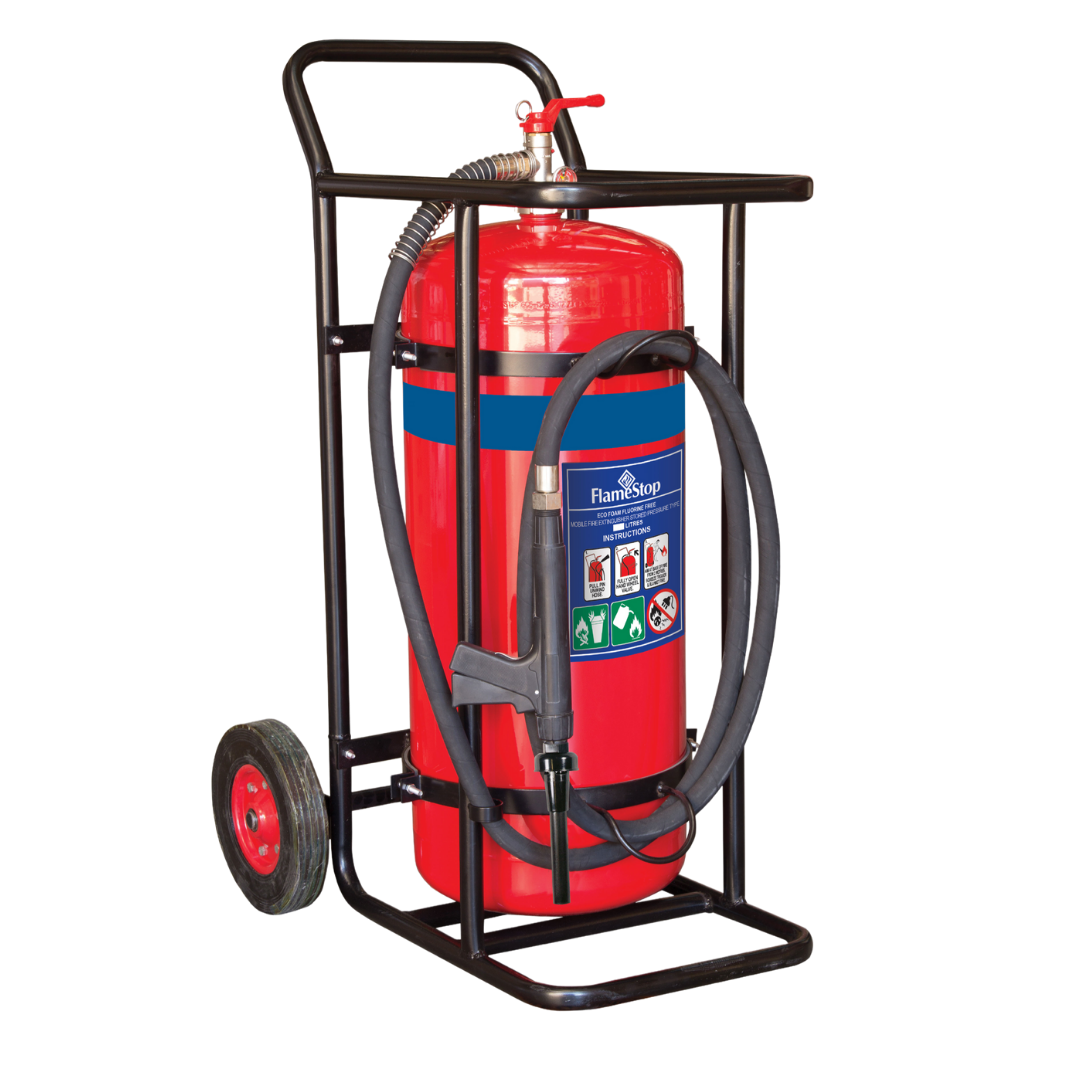
For contractors, builders & site managers, appropriate Fire Extinguishers Perth arrangements should form part of a broader fire risk management plan that considers the work being completed, the materials stored on site & the changing layout of the project.
Why Construction Sites Have Changing Fire Risks
A construction site rarely remains the same for long. New floors may be added, temporary walls installed, work areas relocated & different trades introduced as the project progresses.
These changes can create new ignition sources or place combustible materials closer to high-risk work.
Common construction-site fire hazards include:
- temporary electrical installations
- damaged extension leads or power tools
- welding, cutting & grinding
- gas-powered equipment
- LPG cylinders
- diesel, petrol & other fuels
- paints, solvents & adhesives
- timber, packaging & building materials
- accumulated waste
- temporary heating equipment
- site kitchens or amenities
- battery charging equipment.
Fire protection arrangements should therefore be reviewed as the site changes rather than established once at the beginning of construction.
The Role of Temporary Fire Extinguishers
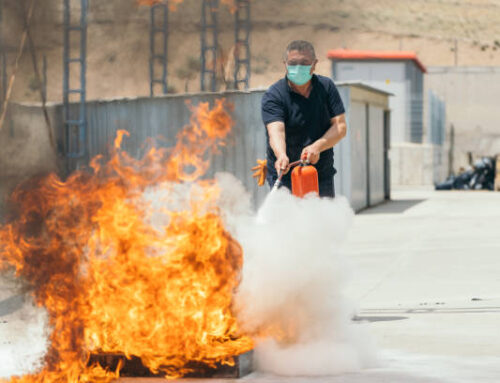
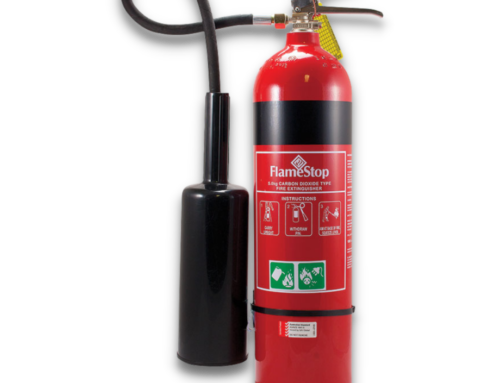
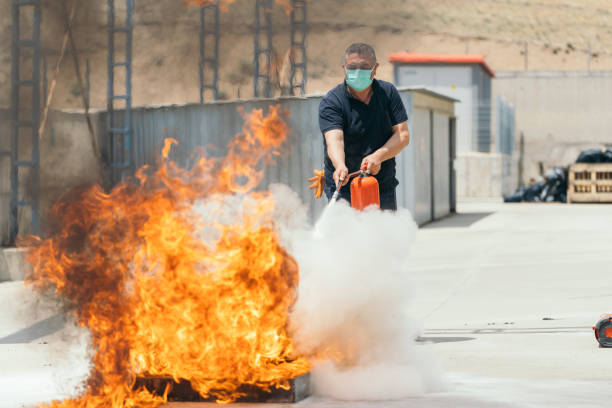
Portable fire extinguishers provide a means of responding to some small, early-stage fires where it is safe for trained or capable personnel to do so.
Different extinguisher types are designed for different fire hazards. Equipment selection should reflect the materials, equipment & activities present within a particular work zone.
For example, the extinguisher required near an electrical distribution board may differ from the equipment positioned near combustible construction materials or certain workshop activities.
Extinguishers should also remain accessible. A suitable unit provides limited protection if it becomes hidden behind building materials, locked inside a storage area or separated from workers by temporary barriers.
High-Risk Zone 1: Hot Work Areas
Welding, brazing, cutting, soldering & grinding can generate heat, sparks or molten material capable of igniting nearby combustible products.
Hot work becomes particularly hazardous where sparks can travel into wall cavities, roof spaces or concealed areas.
Before work begins, the surrounding area should be checked for:
- timber
- cardboard
- insulation
- plastic materials
- flammable liquids
- dust
- waste materials
- concealed combustible surfaces.
Suitable firefighting equipment should be positioned nearby, with the work area monitored according to the site’s safety procedures.
Fire risk may continue after hot work has stopped. Heat or sparks can remain within concealed materials before a visible fire develops, making post-work checks an important part of site management.
High-Risk Zone 2: Temporary Electrical Systems
Construction sites often rely on temporary switchboards, leads, portable tools & temporary lighting systems.
Electrical equipment may experience demanding conditions involving dust, moisture, impact, repeated movement & exposure to construction activities.
Potential problems can include:
- damaged cables
- overloaded circuits
- faulty tools
- loose electrical connections
- inappropriate temporary modifications
- damaged plugs
- equipment exposed to water.
Temporary electrical equipment should be properly maintained & damaged equipment removed from service.
Fire extinguishing equipment suitable for electrical risks should also be located where it can be accessed without requiring someone to move towards the source of the fire.
High-Risk Zone 3: Fuel & Flammable Liquid Storage
Fuels, paints, solvents, adhesives & other flammable products may be required at different stages of construction.
Their storage needs careful control because vapours or spills can significantly increase fire risk.
Storage areas should be kept away from ignition sources wherever practical, with quantities controlled according to site requirements. Containers should be properly closed & damaged containers dealt with promptly.
Appropriate extinguishers should be available near identified storage zones without being positioned so close to the hazard that they become inaccessible during a fire.
High-Risk Zone 4: Gas Cylinders
Construction activities may involve LPG, oxygen, acetylene & other compressed gases.
Gas cylinders introduce additional hazards because they can contribute to rapidly developing fires or become dangerous when exposed to heat.
Good site management includes keeping cylinders secure, protecting them against damage & separating them from inappropriate ignition sources or materials.
Workers should also know where relevant firefighting equipment is positioned & when evacuation is safer than attempting fire suppression.
High-Risk Zone 5: Waste & Combustible Materials
Construction projects can produce significant quantities of timber offcuts, cardboard, plastic packaging & other combustible waste.
Allowing these materials to accumulate can increase both ignition potential & fire spread.
Good housekeeping is therefore a basic but important fire prevention measure.
Waste should be removed regularly, particularly from:
- stairwells
- escape routes
- plant areas
- temporary workshops
- areas where hot work occurs
- electrical equipment locations.
Keeping access routes clear also helps workers reach exits & firefighting equipment during an emergency.
High-Risk Zone 6: Battery Charging Areas
Battery-powered tools are common across construction sites, while larger batteries may also be used for equipment, temporary power or machinery.
Battery charging stations should be managed as identifiable work areas rather than allowing chargers to be distributed randomly throughout the site.
Charging equipment should be inspected for damage, kept away from unnecessary combustible materials & used in accordance with manufacturer requirements.
Damaged, swollen, overheating or otherwise abnormal batteries should not continue to be used or charged.

Fire extinguishers Perth
Extinguisher Placement Across a Changing Site
Extinguisher locations should reflect the actual layout of the project.
As partitions, scaffolding, storage zones & access routes change, previously suitable positions may no longer provide practical access.
Site managers should consider whether extinguishers are:
- clearly visible
- appropriately identified
- accessible
- suitable for nearby hazards
- protected from unnecessary damage
- positioned near relevant risk areas
- regularly inspected.
Additional equipment may be required when new work zones are introduced.
Protecting Escape Routes
Fire extinguishers are only one part of construction-site fire management. Workers must also be able to evacuate quickly.
Temporary escape routes should remain clear as work progresses. Materials, equipment, rubbish or temporary structures should not unnecessarily obstruct routes used to leave the site.
Where permanent emergency lighting, exit signage or alarm systems are not yet operational, suitable temporary arrangements may be required as part of the site’s overall emergency planning.
Effective Fire Safety Perth planning therefore involves both fire response equipment & safe evacuation arrangements.
Fire Equipment Needs Regular Checks
Construction conditions can be demanding on portable fire equipment. Extinguishers may be moved, covered in dust, damaged by machinery or accidentally obstructed.
Regular site checks can identify issues such as:
- missing extinguishers
- damaged equipment
- blocked access
- broken signage
- incorrect locations
- equipment moved away from designated areas.
Site inductions should also explain where fire equipment is located, how emergencies are reported & where workers should assemble following evacuation.
Review Fire Protection as Construction Progresses
Temporary fire protection should change with the project.
A site preparing foundations has different risks from one undergoing electrical fit-out, interior finishing or final commissioning. Reviewing fire hazards at important construction stages helps ensure that equipment remains relevant to current activities.
Businesses sourcing Fire Extinguishers Perth should consider the specific hazards present across hot-work zones, electrical areas, fuel storage locations, workshops & other higher-risk parts of the site.
A coordinated Fire Safety Perth approach can support construction companies, contractors & project managers by ensuring temporary fire protection remains aligned with changing site conditions, identified hazards & evacuation requirements throughout the project.


Leave A Comment