



Businesses with high staff turnover face an ongoing challenge when it comes to maintaining consistent workplace fire safety knowledge. Retail stores, hospitality venues, warehouses, labour-intensive operations, healthcare facilities & businesses that regularly employ casual, seasonal or temporary workers may have new employees starting throughout the year.
When employees frequently join or leave a workplace, fire safety knowledge cannot depend on occasional training sessions or information being passed informally between colleagues. Businesses need a structured approach that ensures every employee understands emergency procedures from the beginning of their employment.
Consistent fire safety training Perth businesses can integrate into induction programmes helps create a common standard of emergency awareness across the workforce, regardless of how long individual employees have been with the organisation.
Why High Staff Turnover Creates Fire Safety Challenges
A stable workforce may receive formal training at scheduled intervals, allowing management to maintain relatively consistent knowledge across the organisation.
Businesses with high turnover operate differently. New employees may begin work between scheduled training sessions, meaning some workers could potentially spend weeks or months on site without receiving the same emergency information as established staff.
This can create gaps in areas such as:
- evacuation procedures
- emergency exit locations
- assembly points
- alarm systems
- fire extinguisher locations
- emergency communication procedures
- individual staff responsibilities
- procedures for assisting customers or visitors.
During a fire emergency, employees need to respond quickly. Uncertainty about what an alarm means, which exit to use or where to assemble can delay evacuation & increase confusion.
Fire Safety Should Begin During Employee Induction
Fire safety information should form part of workplace induction rather than being treated as separate information employees receive later.
Before employees begin their normal duties, they should understand the emergency procedures relevant to the premises.
Induction information may cover:
- how employees are alerted to an emergency
- recognised evacuation routes
- emergency exits
- assembly areas
- procedures for reporting fire or smoke
- who coordinates evacuation
- responsibilities during an emergency
- restrictions relating to lifts or particular access routes
- procedures for customers, contractors or visitors.
Providing this information immediately helps ensure new employees are not dependent on colleagues explaining emergency procedures informally.
Keep Fire Safety Induction Consistent
One of the main risks in businesses with frequent staff changes is inconsistency.
If different supervisors provide fire safety information in different ways, important details may be missed. One employee may receive a complete explanation of evacuation procedures, while another may only be shown the nearest exit.
Businesses can reduce this risk by establishing a standard fire safety induction checklist.
A documented checklist may include confirmation that each new employee has been shown emergency exits, assembly points, alarm systems & relevant emergency equipment.
This creates a consistent baseline of knowledge across departments, shifts & employment types.
Consider Different Employment Arrangements
Modern workplaces may employ permanent staff, part-time workers, casual employees, labour hire personnel, contractors, apprentices & seasonal workers.
Fire safety responsibilities should not be limited to permanent employees.
Anyone regularly working within the premises should understand the emergency arrangements that apply to their work area.
Short-term workers may actually require particular attention because they have had less time to become familiar with the building layout.
Warehouses, manufacturing facilities & large commercial properties can contain multiple exits, restricted areas, plant rooms, storage areas & separate work zones. A new employee may not automatically know the safest route from their normal work location.
Schedule Regular Refresher Training
Induction provides the foundation, but fire safety knowledge should be reinforced through refresher training.
Employees can forget procedures over time, particularly when emergencies are uncommon. Changes to the building, staffing structure or workplace layout can also make earlier information outdated.
Refresher schedules provide an opportunity to reinforce:
- evacuation expectations
- alarm recognition
- emergency reporting
- assembly arrangements
- fire warden responsibilities
- equipment awareness
- changes to exits or internal layouts.
Businesses experiencing frequent turnover may need to review training schedules more regularly than workplaces with relatively stable staffing.
Use Training Records to Identify Gaps
Training records help businesses understand who has completed required fire safety instruction & who may still require training.
Records may include:
- employee name
- employment commencement date
- induction completion
- training dates
- refresher dates
- evacuation exercise participation
- role-specific emergency training.
Accurate records become particularly important when large numbers of casual or temporary employees move through a workplace.
Rather than relying on supervisors to remember which employees attended previous sessions, management can use documented records to identify training gaps.
Include Fire Safety in Supervisor Responsibilities
Supervisors & managers play an important role in maintaining training consistency.
When new employees join a department, supervisors should know which emergency information needs to be covered before those employees begin unsupervised work.
Managers should also understand how to identify employees who may have missed scheduled training sessions.
This becomes particularly important in businesses operating multiple shifts. Night, weekend or casual workers should receive appropriate fire safety information even if formal training sessions are normally conducted during standard business hours.

Conduct Evacuation Exercises
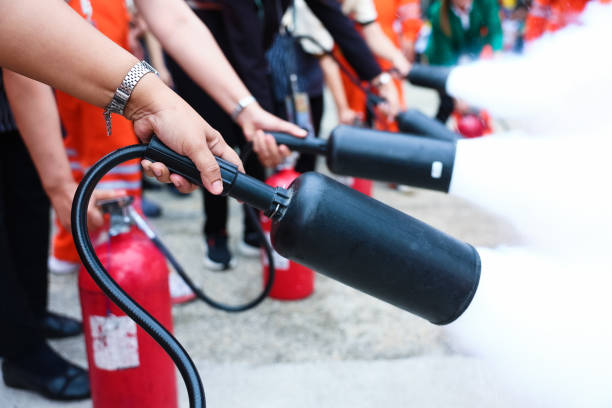
Written procedures are important, but practical evacuation exercises help employees understand how emergency plans operate within the actual workplace.
An evacuation exercise can reinforce:
- alarm recognition
- exit routes
- movement towards assembly points
- staff communication
- warden coordination
- accountability procedures.
Exercises can also identify practical problems that may not be obvious from written plans.
For businesses with high staff turnover, exercises provide another opportunity to reinforce emergency expectations for employees who have joined since previous training sessions.
Ensure Employees Understand Fire Equipment Locations
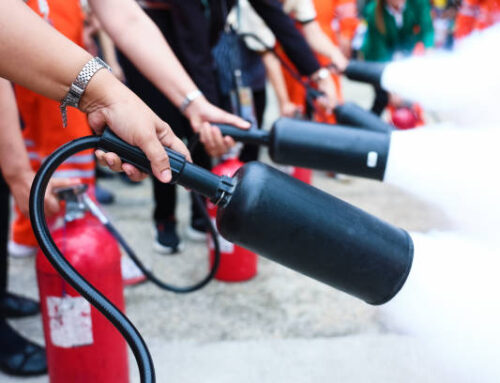
Employees should know where relevant fire safety equipment is positioned within the workplace, even where their role does not require them to operate it.
Equipment may include:
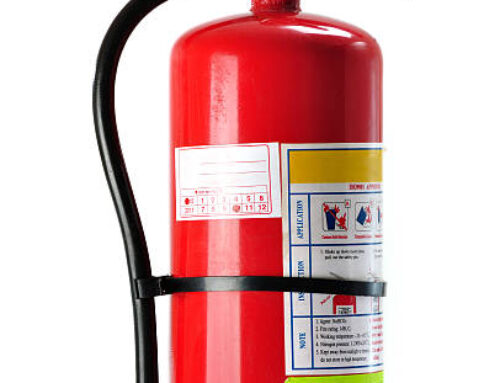
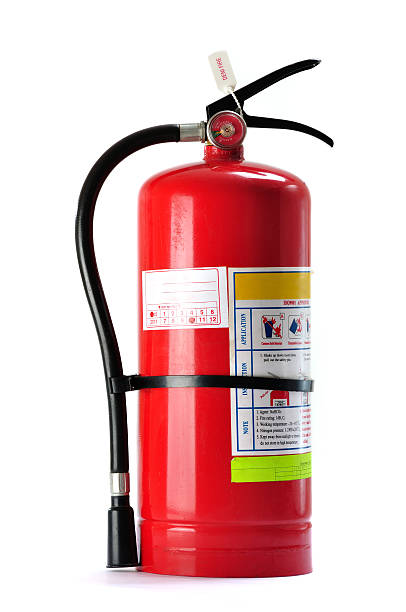
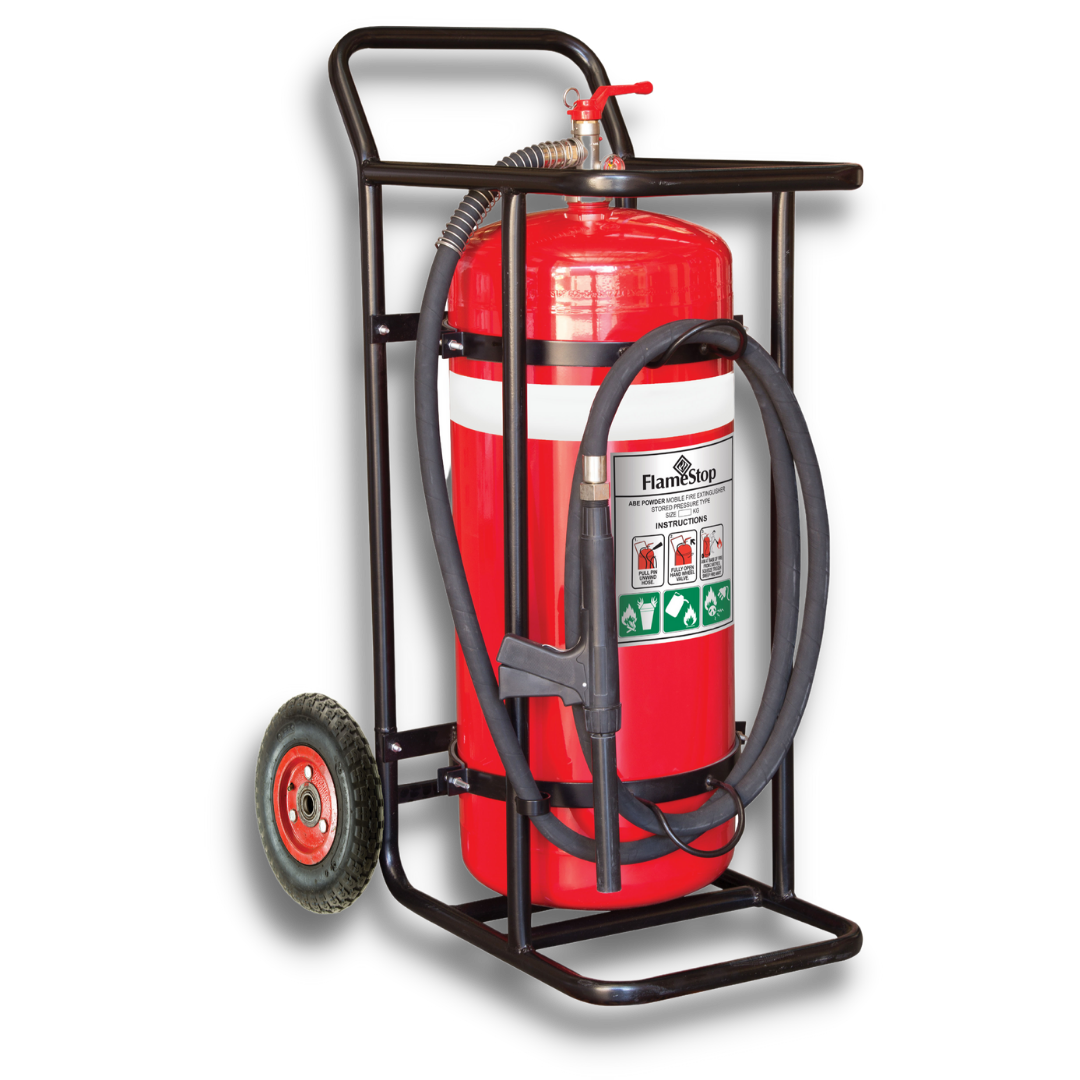
- portable fire extinguishers
- fire blankets
- hose reels
- alarm points
- emergency lighting
- exit signage.
Businesses should ensure equipment remains accessible & clearly identifiable.
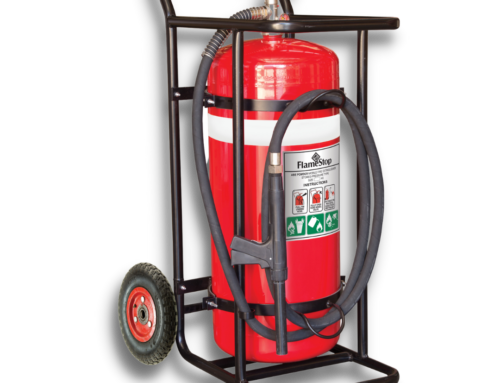
A suitable Fire Equipment Supplier Perth businesses work with can assist organisations with appropriate commercial fire equipment requirements based on the type of premises & workplace risks.
Training should also make clear that employees should not place themselves at unnecessary risk attempting to fight a fire. Evacuation & personal safety remain the priority when conditions are unsafe.
Update Training When Workplace Conditions Change
Fire safety procedures should be reviewed when significant workplace changes occur.
Examples include:
- relocating departments
- modifying floor layouts
- installing new machinery
- adding storage areas
- changing access points
- renovating premises
- introducing new work activities
- changing emergency assembly arrangements.
Employees who previously understood evacuation procedures may require updated information when these changes affect emergency routes or workplace risks.
Businesses should therefore connect fire safety training with broader workplace change management rather than treating training as a fixed annual activity.
Address Language & Communication Requirements
Workplaces with diverse workforces should consider whether emergency information is understood by all employees.
Instructions should be clear, practical & appropriate for the workforce.
Where employees have different levels of English proficiency, businesses may need to consider additional communication methods such as diagrams, evacuation maps, practical demonstrations or translated information where appropriate.
Emergency information needs to be understood quickly. Complex instructions can create unnecessary confusion when employees are under pressure.
Include Contractors & Temporary Workers
Contractors may only be present for several hours or days, but they still need to understand the emergency procedures relevant to the site.
Site induction should identify important information such as:
- alarm signals
- evacuation routes
- assembly locations
- emergency contacts
- restricted areas.
Temporary workers should receive equivalent guidance.
High staff turnover should never result in short-term personnel being excluded from essential workplace safety information.
Review Emergency Equipment Alongside Staff Training
Employee training & workplace fire equipment should support one another.
A workplace may have suitable extinguishers, signage & emergency systems, but staff still need to understand where equipment is located & what emergency procedures apply.
Likewise, well-trained employees cannot compensate for missing, inaccessible or unsuitable fire safety equipment.
Working with a recognised Fire Equipment Supplier Perth businesses can use for commercial equipment requirements can help ensure workplace fire protection resources remain aligned with the risks present within the premises.
Creating a Consistent Fire Safety Culture
Businesses with high staff turnover should focus on building fire safety into everyday workplace management.
The objective is not simply to conduct occasional training sessions. It is to ensure every person entering the workforce receives the same core emergency information, regardless of when they start.
A practical system should combine:
- structured induction
- documented training records
- scheduled refresher training
- evacuation exercises
- supervisor accountability
- equipment awareness
- regular procedure reviews.
This approach reduces the likelihood of emergency knowledge disappearing when experienced employees leave the organisation.
Maintaining Fire Readiness Across a Changing Workforce
High staff turnover does not have to result in inconsistent fire safety awareness.
Businesses can maintain stronger emergency readiness by ensuring training begins during induction, records are maintained, refresher sessions are scheduled & workplace changes are communicated promptly.
Consistent fire safety training Perth organisations incorporate into employee management helps ensure new, temporary & established workers understand how they are expected to respond during a fire emergency.
For businesses managing changing workforces, combining regular employee training with suitable fire safety equipment helps create a more reliable approach to workplace emergency preparedness.



Leave A Comment